 N

Trending: Wastewater and Tourism Threaten Lake District's Buttermere, Report Warns Hottest news
An investigation reveals that failing private septic tanks and visitor pressures are damaging the ecology of Buttermere.
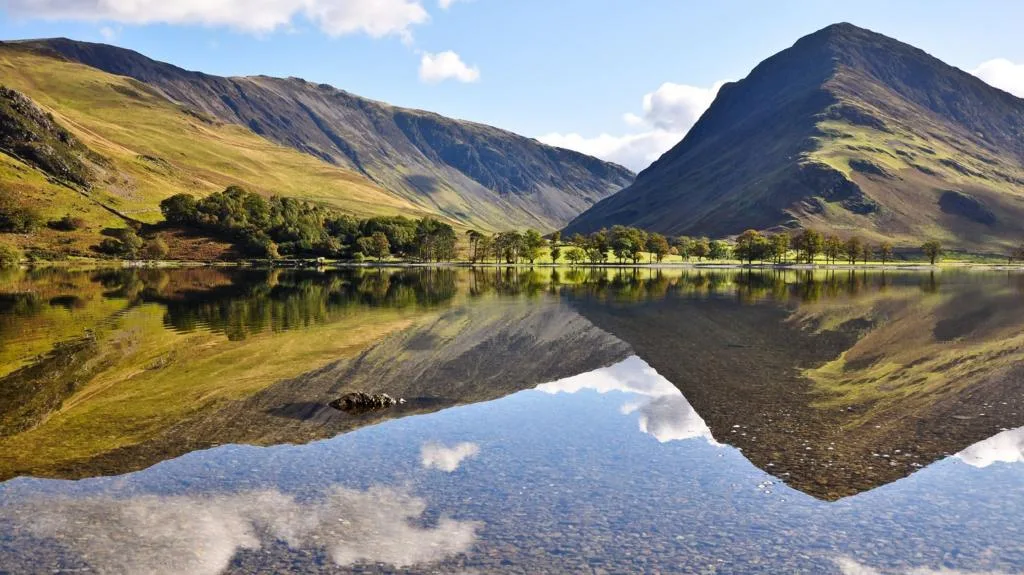 Image: BBC News Download
A new conservation probe has shown that crumbling private wastewater networks and a surge of visitors are endangering Buttermere, the Lake District’s protected lake, BBC News reports. The Buttermere Nutrient Investigations Project, run by West Cumbria Rivers Trust, found phosphorus levels creeping upward and choking the water, while farms were cleared of blame.
The Environment Agency commissioned and funded the study after Butremere missed its phosphorus target in 2023. West Cumbria Rivers Trust, an environmental charity, warned that the Site of Special Scientific Interest and Special Area of Conservation has turned into “a fragile ecosystem under pressure”.
Private sewage systems and tourist footfall
Because the valley isn’t hooked up to mains drainage, 27 homes and three holiday cabins rely on package treatment plants or septic tanks. The trust inspected 11 septic tanks within the catchment and uncovered major structural and operational flaws.
Several of those tanks were described as “undersized, poorly maintained” and past their design life. Investigators suspect that some units are venting raw effluent straight into the lake, breaching every rule on record. Most owners said they want to protect the surroundings, yet the trust noted a “widespread lack of awareness” about how private units work and how often they need servicing.
Tourist pressure adds to the nutrient load. Surveys showed that 42 % of visitors bring dogs and walk them along the vulnerable lakeshore trails. The report says dog waste could be a major source of the lake’s pollution.
Agricultural land use, by contrast, wasn’t a key driver. Checks on the five largest farms in the area found no signs of diffuse pollution or excessive fertiliser use; current soil‑management practices appear broadly adequate.
Threats to sensitive cold‑water wildlife
In its natural state Buttermere holds very low nutrient levels, creating a perfect home for specialised species like the Arctic charr, a cold‑water fish that can’t tolerate disturbance.
When phosphorus spikes, algae blooms flare up, smothering delicate underwater habitats and threatening the lake’s conservation status. Jodie Mills, chief executive of West Cumbria Rivers Trust, says the water quality is falling mainly because private sewage systems overflow during peak tourist season or simply can’t cope.
Mills warned that many owners don’t realise their systems are failing, creating an unseen source of pollution that now needs clear guidance and tougher enforcement.
What happens next
West Cumbria Rivers Trust will soon post step‑by‑step guidance on its website to help homeowners maintain their sewage units. The charity is also consulting the local parish council and the Lake District Visitor Management Group, which brings together the Lake District National Park Authority and the National Trust.
Enforcement of wastewater discharges sits with the Environment Agency. Peter Miles, nature, monitoring and technical manager at the agency, called the report “valuable information about the sources of excess nutrients” in Buttermere. Miles urged residents, workers and visitors to curb pollution by servicing private treatment units properly and cleaning up after their dogs.
Further reading
For more context on this story, explore these trusted outlets.