 N

Trending: Storm Systems on Both US Coasts Could Disrupt Thanksgiving Travel Hottest news
Heavy rain, snow and high surf threaten road and air journeys for millions of holiday travelers.
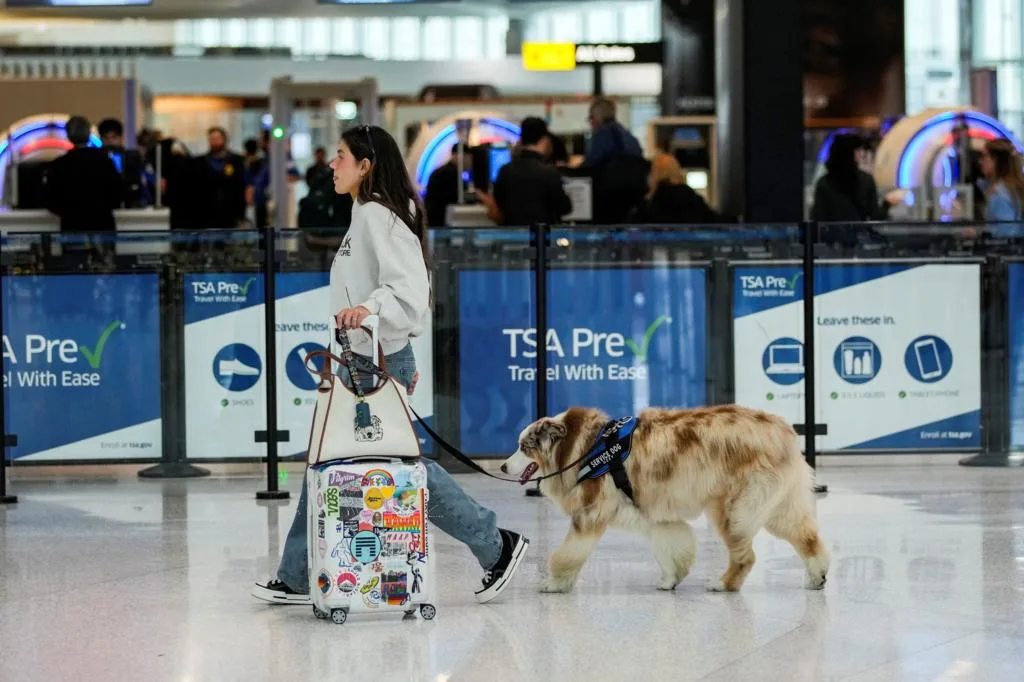 Image: BBC Weather Download
Storms on the Pacific and Atlantic seaboards are set to affect travel for the Thanksgiving holiday period, spanning Tuesday 24 November through Monday 30 November, according to BBC News. The American Automobile Association estimates that 81.5 million Americans will travel at least 50 miles from home, with the majority planning to drive.
Pacific storm brings rain, snow and coastal flooding
A series of low‑pressure systems moving across the Pacific will deliver rain, mountain snow, gusty winds and high surf to the West Coast this week, the U.S. National Weather Service reports. The strongest of these systems is expected to reach north‑west Washington on Tuesday night and linger through Wednesday, tapping an atmospheric river that can transport vast amounts of moisture.
BBC Weather’s Elizabeth Rizzini notes that the storm will produce heavy rain at lower elevations and snow from western Washington to northern California, while strong winds will affect coastal areas. The AAA predicts that 72.9 million of the holiday travelers will be in cars, and drivers could encounter delays on Interstate 5 between Seattle and Sacramento, as well as on mountain routes such as I‑80 and I‑90.
Los Angeles and much of Southern California are likely to miss the heaviest precipitation, but moderate to major coastal flooding is forecast for the California shoreline. A coastal flood advisory is already active for the Pacific Northwest and parts of California, and the region will also experience the highest tides of the year due to the full Beaver moon.
San Francisco’s mayor has warned of significant weather impacts, and Bay Area philanthropist Daniel Lurie urged residents to check forecasts before traveling and to avoid non‑essential trips.
Nor'easter threatens the Eastern seaboard on Thanksgiving Day
On the opposite coast, a developing Nor'easter will intensify off the south‑east coast on Wednesday, then travel northward along the Atlantic. By Thanksgiving Day the system is expected to bring heavy rain, strong winds and coastal flooding to Florida, the Carolinas, the mid‑Atlantic and the Northeast.
The National Weather Service anticipates wind gusts exceeding 40 mph along the I‑95 corridor, which runs through 15 states and Washington, D.C. New York City’s emergency management officials have issued a warning that includes the phrase
"fowl weather"and note a chance of coastal flooding.
Regulators for the 100th Macy’s Thanksgiving Day Parade have indicated that full‑size balloons may be barred if sustained winds rise above 23 mph or gusts top 35 mph, a threshold the storm could surpass.
Air travel and airport preparations
About 5.96 million travelers are expected to fly domestically during the holiday. Recent recovery of the national air‑traffic control system after a technical failure has returned flights to normal, but weather remains a concern.
San Francisco International and Oakland airports are under a coastal flood warning. United Airlines is allowing passengers scheduled to travel through SFO on Wednesday to change their plans without charge. Both airports sit on the shoreline, where the strongest El Niño on record is amplifying king tides. Forecasters have revised the expected high tide from roughly three feet above normal to 2.7 feet, which may help keep runways dry.
Airport authorities continue to advise travelers to arrive at least two hours before domestic departures throughout the Thanksgiving period.
What happens next
- West Coast rain is projected to peak late Wednesday into Thursday, with another system arriving Friday evening.
- The Pacific Northwest and California will monitor coastal flood advisories as high tides combine with storm surge.
- Eastern states should expect the Nor'easter to bring its strongest impacts on Thanksgiving Day, with potential disruptions to road, rail and air travel.
- Travelers are encouraged to stay updated on forecasts and to allow extra time for journeys.
Further reading
For more context on this story, explore these trusted outlets.