 N

Trending: COP31 in Turkey collapses as fossil‑fuel language sparks division Hottest news
The Antalya summit failed to reach consensus, exposing deep geopolitical rifts over climate commitments.
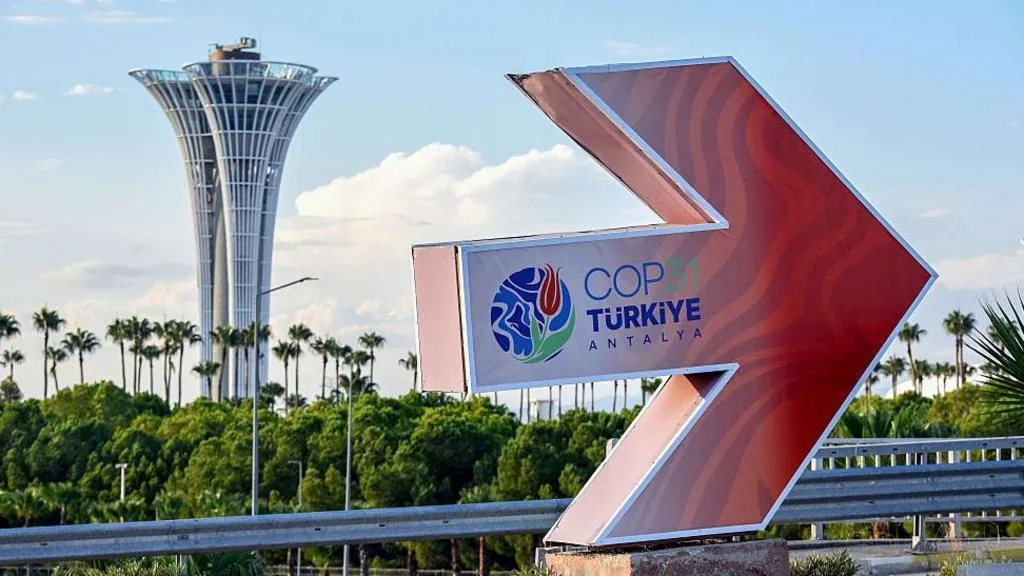 Image: BBC News Download
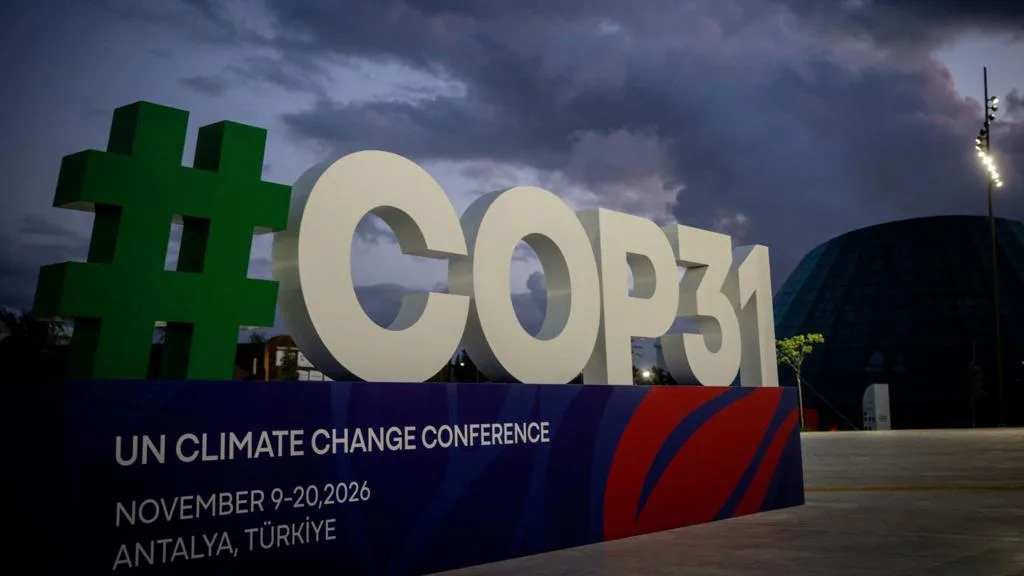
On Sunday, 23 November 2026, roughly 150 delegates gathered in Antalya, Turkey, for the longest‑ever UN climate conference, and they left without a single joint declaration. The deadlock boiled down to one word: should the final text name fossil fuels outright? That question tore the room in two.
Geopolitical tensions drive the stalemate
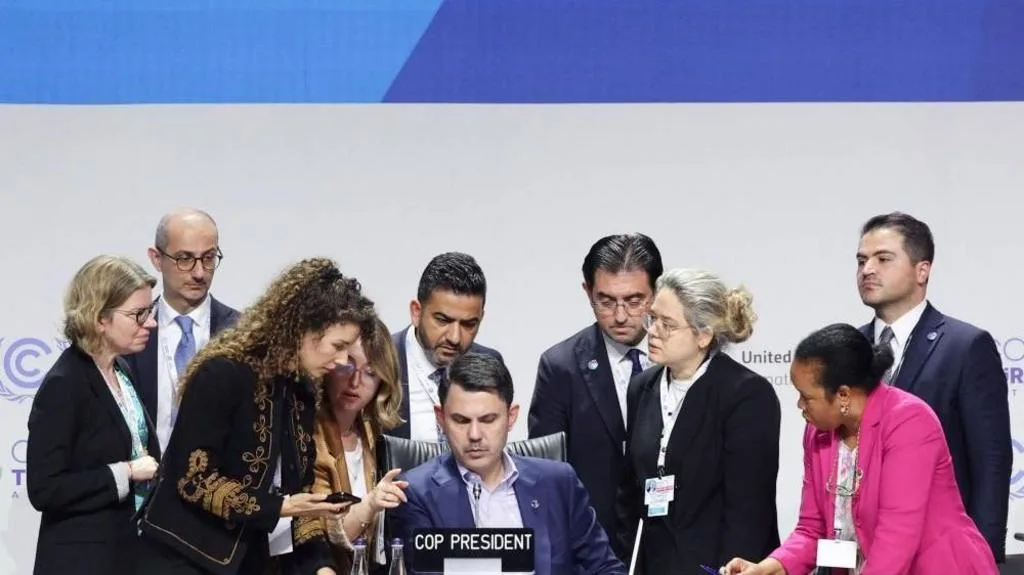
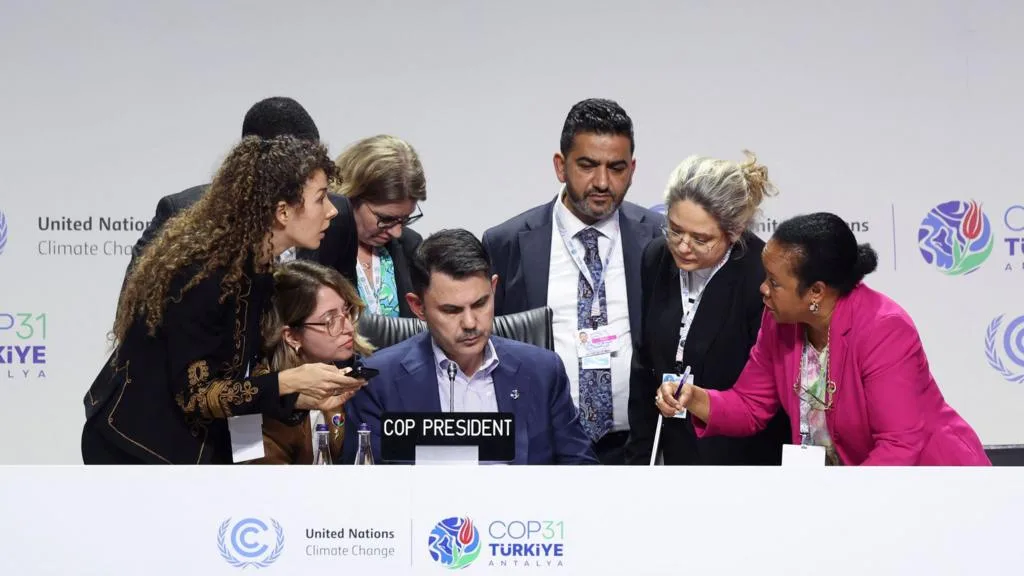
Australian climate minister Chris Bowen, who chaired the talks, called the setting “the most complicated and fraught geopolitical environment in living memory,” according to the BBC. He warned that competing demands had become “unbridgeable red lines.” Turkey’s environment minister Murat Kurum, who presided over the summit, urged governments not to let citizens down by getting “hung up on one word or phrase.”
Back at COP28 in Dubai, parties pledged to shift away from fossil fuels. The draft now known as the Antalya Pact stripped any mention of those fuels, sparking a split between nations demanding a stronger commitment and those balking at the language.
Those who rejected the draft argued there’s a difference between cutting emissions and promising to abandon the fuels that drive most of them. They feared a vague text would water down the progress won in Dubai.
Opposition from oil‑producing blocs
Opposition came mainly from oil‑rich states. Mohammad Ayoub, speaking for the 22 Arab League members, reminded everyone that Arab nations account for less than 2 % of historic emissions, while wealthy industrialised countries shoulder the bulk of responsibility. He defended each Arab state’s right to shape its own climate response.
Russia’s delegate Sergei Kononuchenko warned that cutting oil and gas supplies before demand falls would spark shortages, push prices higher and leave households in energy poverty. “For that reason, we cannot agree to any formulation on fossil fuel,” he said.
The wider political backdrop highlighted starkly different priorities. The United States, under President Donald Trump, sent no official delegation to Antalya after Trump dismissed the international climate framework. In Shenzhen, Trump, China’s President Xi Jinping and Russia’s President Vladimir Putin signed a joint declaration promising to boost production and supply of refined petroleum products.
European Union representation, voiced by Irish Minister Darragh O’Brien, called a deal that omitted fossil‑fuel language “unconscionable.” Yet about 130 governments, roughly two‑thirds of the participants, backed a demand for explicit wording on moving away from fossil fuels.
Former UN climate chief Christiana Figueres, who helped craft the Paris Agreement, argued that walking away from a weaker text protects the achievements already secured.
Finance disputes and calls for reform
Beyond the fossil‑fuel wording, Russia’s delegate raised alarms about climate finance. He claimed most assistance from wealthy nations arrives as loans, not grants, forcing developing countries to repay more than they receive. He called the system “an old colonial distribution of labour under a new banner” and addressed the EU representatives directly: “First of all distinguished representatives of the EU.”
Kenyan activist Mohamed Adow, head of Power Shift Africa, accused Europe of rejecting a flawed financing deal while refusing to acknowledge its own role in the deadlock.
UN climate chief Simon Stiell said the COP process needs to “improve, modernise and reform.” Some proposals suggest voting mechanisms when consensus stalls; others urge faster‑acting nations to forge separate agreements outside the formal talks.
Consensus remains the cornerstone of the UN climate system because participation is largely voluntary. A vote might produce bolder language on paper, but without enforcement it could leave reluctant states unchecked. At the same time, consensus shields smaller and poorer nations from being steamrolled by powerful countries.
Energy transition continues despite diplomatic impasse
Even as the summit collapsed, market trends show renewable technologies gaining ground. Solar panels now cost under $0.20 per watt in China, battery storage prices have dropped 30 % since 2022, and electric vehicles are hitting sub‑$25,000 price points in Europe. Disruptions in global oil and gas supplies are pushing countries to generate electricity domestically rather than rely on imports.
These developments suggest the technical shift away from carbon‑intensive energy sources moves on, independent of UN negotiations, though the pace still falls short of the cuts needed to hit 1.5 °C targets.
What happens next?
- Simon Stiell will seek advice on possible COP reforms, including voting options and pathways for faster bilateral or regional agreements.
- Countries that demanded explicit fossil‑fuel language will keep pushing for a new framework that includes that wording.
- Developing nations will continue pressing for more grant‑based climate finance, arguing that loan‑heavy approaches deepen debt burdens.
- Renewable energy markets are set to expand as nations chase energy security amid geopolitical uncertainty.
Further reading
For more context on this story, explore these trusted outlets.