 N

Trending: Lottery Funding Powers Habitat Restoration at Former Yorkshire Coal Sites Hottest news
Nearly £890,000 will create ponds and wildlife corridors across former mines in South Yorkshire and beyond.
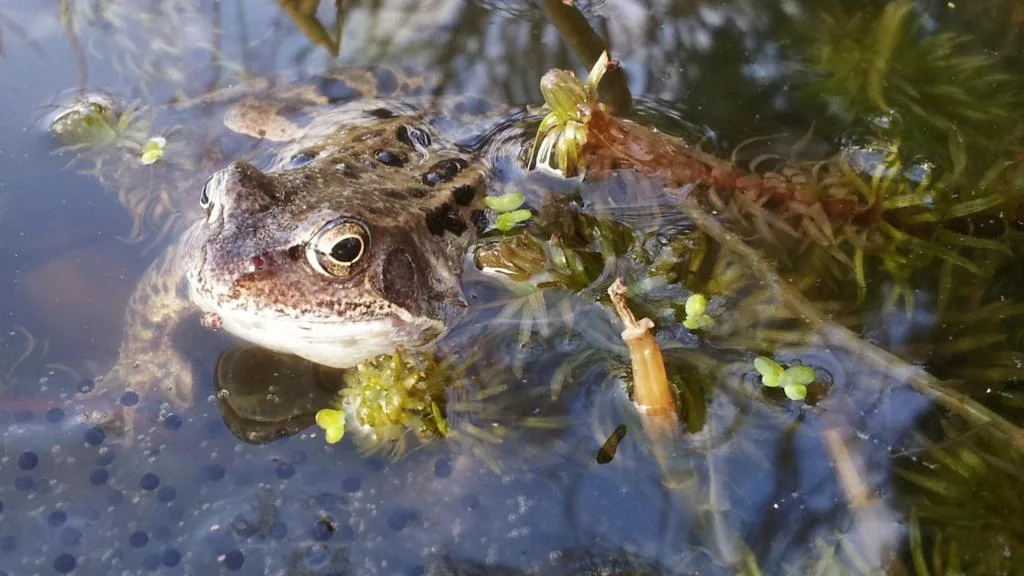 Image: BBC News Download
Froglife, the wildlife charity, has clinched almost £890,000 from the National Lottery Heritage Fund to rebuild ponds and craft fresh habitats for amphibians and reptiles on former colliery sites across South Yorkshire, with follow‑up work slated for North and West Yorkshire. The four‑year push, unveiled in November 2026, aims to turn derelict industrial ground into buzzing ecosystems.
Restoring Ponds and Freshwater Habitats
The scheme, dubbed Coalface to Wildspace, will carve out 48 brand‑new ponds, some as deep as a meter, others shallow enough for newt spawn, and spruce up 93 existing water features. By recreating these wet spots, the project hopes to give frogs a place to croak, newts a safe nursery, and lizards a sunny rock to bask on. It builds on the earlier revival of Kiveton and Dinnington Community Woodlands, which were first rejuvenated under the National Coalfields Programme after the mines shut in the 1990s.
Community Involvement and Wildlife Corridors
Beyond water, the plan rolls out a patchwork of tiny ponds, insect hotels made from reclaimed timber, and “neighbourhood wildlife corridors” that act as stepping stones for everything from beetles to swallows. Conservation manager Andy Goff says the goal is simple: let folks meet nature at their doorstep and get Yorkshire residents involved.
"We want people to engage with the nature that is on their doorstep and wildlife in general," Goff explained.
Froglife staff are buzzing with excitement. Sheila Grundry points out that fresh water will mean a real boost for local frogs, salamanders and dragonflies, and it will also give volunteers a chance to learn pond‑building skills.
Funding, Partnerships and Future Outlook
The £889,761 grant from the National Lottery Heritage Fund will fund the effort through 2030. Froglife has already run similar makeovers in the Midlands and Scotland, proving it can turn post‑industrial scars into thriving habitats. Rother Valley MP Jake Richards stressed the cultural weight of these sites, saying the work will honor the area's mining past while sparking vibrant new ecosystems.
"These former industrial sites are an important part of our area's history," Richards said.
Experts expect a surge in biodiversity: more insects, more birds, and more amphibians will find food, shelter and water, while linked ponds and bug hotels will let species move freely, cutting isolation and bolstering healthy populations.
What Happens Next
In the months ahead, crews will start earthworks, shovelling soil, shaping basins, and lining ponds with natural clay. Volunteers will plant native rushes, sedges and water‑loving wildflowers, then slot in beetle boxes and bee hotels. Monitoring teams will log the return of frogs, toads, newts and slow‑moving lizards, while school‑yard lessons and community talks spread the word. The Heritage Fund will keep the money flowing until the project wraps up in 2030.
Further reading
For more context on this story, explore these trusted outlets.