 N

Trending: Endurance swimmer crosses Hormuz to spotlight war’s ecological toll Hottest news
Lewis Pugh swims the Strait of Hormuz to warn of lasting marine damage from the conflict.
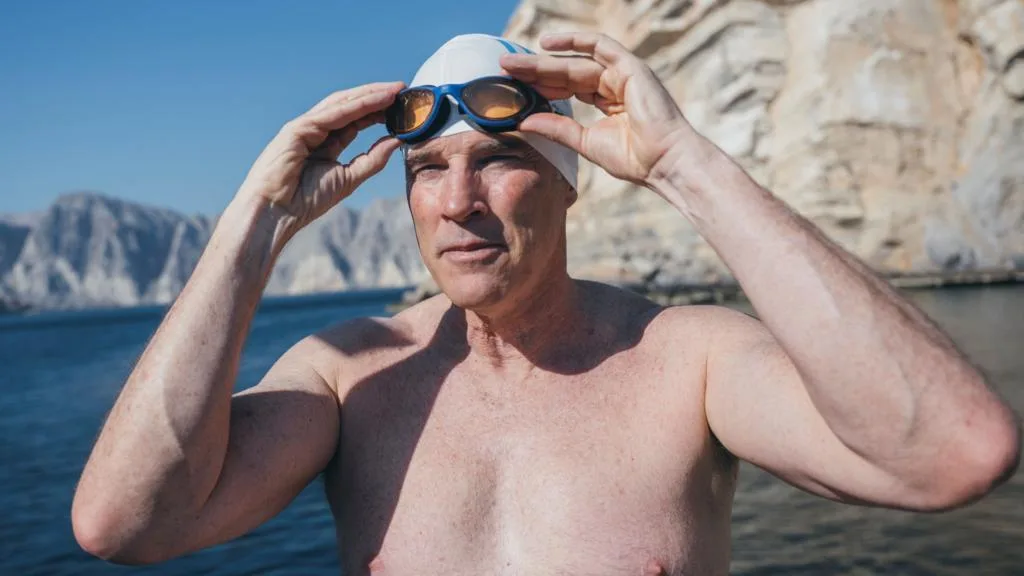 Image: BBC News Download
British endurance swimmer Lewis Pugh swam 15 km across the Strait of Hormuz from 19‑21 November 2026, battling 2‑metre swells and water that hovered near 24 °C. He did it to spotlight how the Iran‑U.S. clash is choking the sea with oil and fire.
Journey through a contested corridor
Pugh, a 56‑year‑old former Royal Marine and UN Patron of the Oceans, launched from a tiny beach on Musandam Island at 06:30 am, then touched down on the Cape of Hormuz on Oman’s Musandam Peninsula. No one’s tried a long‑distance swim there since the fighting flared again in March.
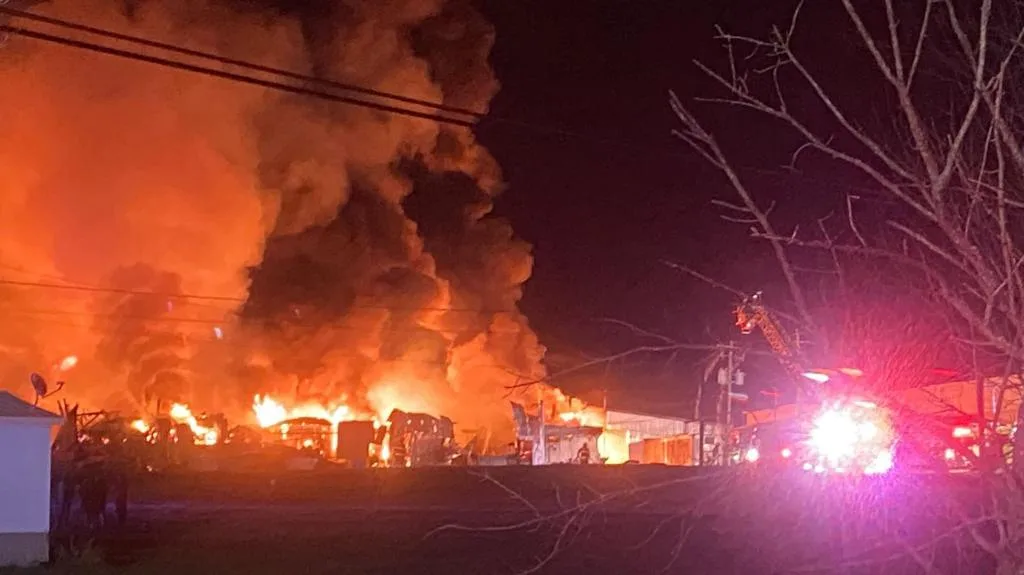
On day one a tanker the size of a small town was struck by a projectile only four kilometres off his shoulder, the Lewis Pugh Foundation reports. The blast sent a plume of black smoke into the sky.
Day two brought a different nightmare: flames licking a rocky headland where the LPG carrier Tara Gas smoldered for hours. Pugh swam past the burning hull, heart pounding, and later said he kept thinking about the crew trapped on board.
"My immediate thoughts were for the seafarers on board," Pugh said.
He warned that hits on gas‑laden vessels can explode, dumping toxic fumes into the water and killing marine life in seconds.
Environmental concerns amid war
In interviews Pugh said the human toll of war grabs headlines while the sea suffers in silence. Oil slicks, chemical runoff and soot from fires could scar coral reefs, choke seagrass beds and poison mangrove roots for decades.
The strait shelters more than 1,200 dugongs, dozens of loggerhead turtles and a handful of whale sharks that wander the Gulf of Oman each winter. Disrupting those habitats could echo long after any cease‑fire.
"War causes immense human suffering," he said, adding that nature is "another casualty that receives far too little attention."
Pugh is urging an immediate halt to hostilities, a reopening of the waterway for safe passage, and concrete steps, like rapid oil‑spill response teams, to clean up the damage.
What happens next
After the swim, the Lewis Pugh Foundation will turn the media buzz into pressure on governments and the UN to adopt protective measures. The group plans to team up with marine scientists from the University of Bahrain to sample water for lingering oil and chemicals, and to publish the findings at the upcoming Gulf Marine Summit in December.
Further reading
For more context on this story, explore these trusted outlets.