 N

Trending: War and Drought Push Sudanese Farmers Toward Crisis Hottest news
Conflict and falling rains cripple harvests, water access and incomes across Sudan’s northern farms.
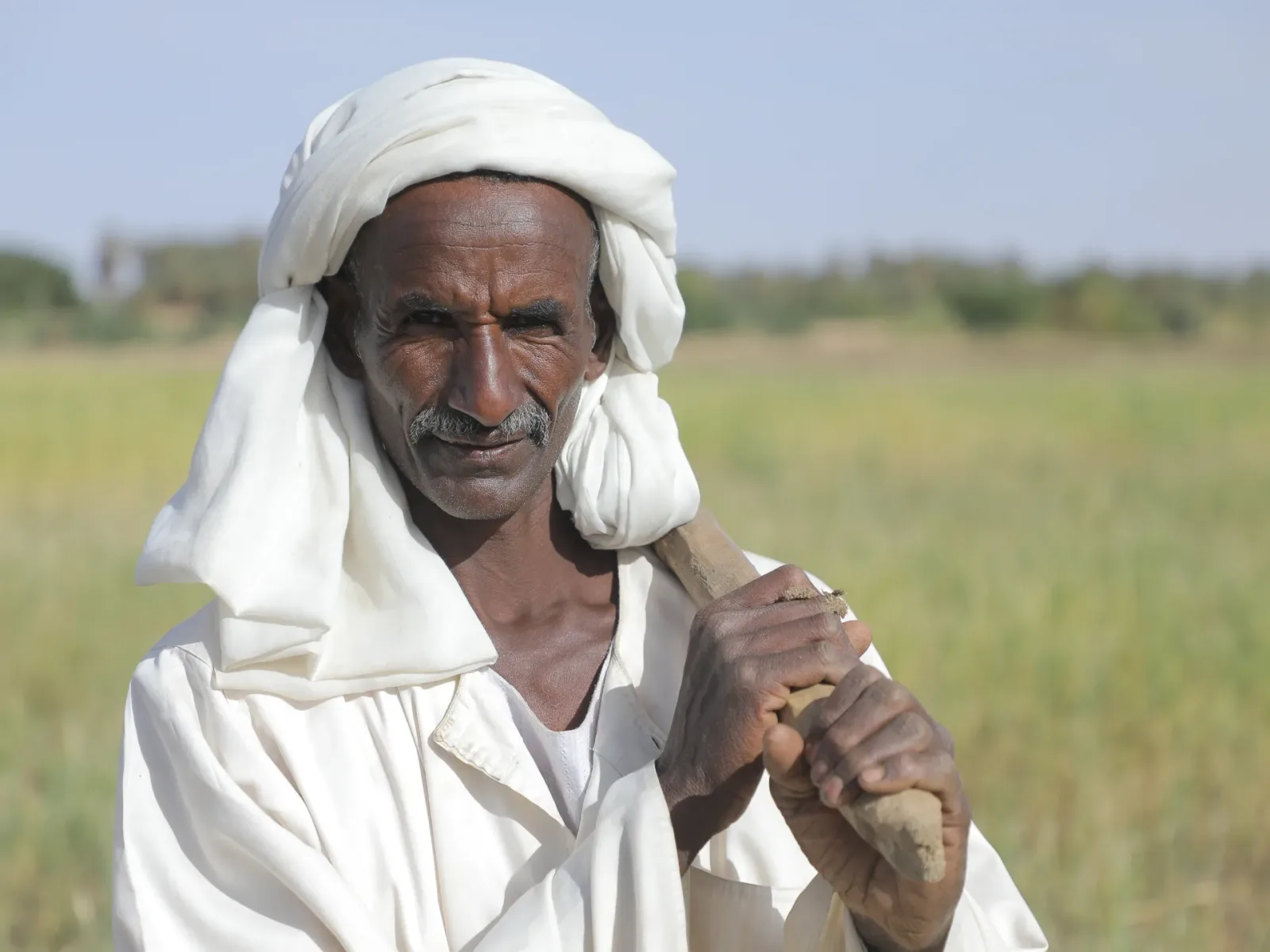 Image: Al Jazeera Download
Sudan’s farmers are confronting a combined threat of armed conflict and drought, a reality reported by Al Jazeera on 26 November 2026. In the country’s Northern State, long‑time cultivator Haider Mohamed describes how the loss of electricity, damaged irrigation and scarce rainfall have eroded his livelihood.
Infrastructure damage deepens agricultural loss
Mohamed, who has tended a four‑hectare plot near Dongola for more than four decades, says the war has turned his farm into a source of debt. "Our crops were destroyed last year, and this year it is difficult to generate any income because we are still facing electricity and irrigation problems," he told Al Jazeera. Drone strikes on power stations have repeatedly cut electricity, preventing the operation of pumps that rely on the grid.
Fuel shortages, a direct result of the fighting between the Sudanese Armed Forces and the Rapid Support Forces, have made diesel‑powered pumps unaffordable. When diesel is available, the United Nations notes that its price has nearly doubled between March and August of this year. The high cost blocks the purchase of diesel and also limits the adoption of solar‑powered irrigation, which Mohamed says is beyond the reach of most smallholders.
Rainfall decline worsens food security
In addition to war‑related disruptions, the June‑to‑September rainy season delivered far below normal precipitation. United Nations Food and Agriculture Organization data indicate that the southeastern states of Gedaref and Sennar received roughly 30 % and 20 % of their usual rainfall, respectively. Those regions normally supply about a quarter of Sudan’s sorghum, the staple grain for millions.
The shortfall in rain has reduced yields across rain‑fed areas, threatening the ability of farmers to feed their families and sell surplus at market. Mohamed warns that without a reliable water source, “no one will be able to continue farming in this country.”
Humanitarian fallout extends beyond fields
Damage to water and electricity networks has left millions without basic services. The International Committee of the Red Cross says the breakdown of civilian infrastructure has heightened the risk of cholera and other water‑borne illnesses. UNICEF estimates that more than 27 million people need assistance for water, sanitation and hygiene.
Between January and June, UNICEF and partners delivered safe water to 6.6 million individuals, most of whom were displaced, returning residents or communities hit by conflict and disease. In Khartoum, residents still wait for hours in long queues for water, a situation compounded by the shutdown of several water stations after the war.
Local resident Saleh Zaki, who lives in Khartoum’s East Nile district, recalled that water problems pre‑date the conflict. "Before the war, we repeatedly sought help from the authorities, only to be told there was no budget to address the problem," he said. He added that the recent damage to water networks has created an urgent need for new wells, repairs and solar‑powered systems.
Government steps and calls for broader reform
In August, the Sudanese government announced measures intended to ease the water crisis. Imported solar panels for personal use will now be exempt from customs duties, taxes and other fees, and residential water fees are waived nationwide until the end of 2026.
Economist Mohamed Elnayer of Sudan University of Science and Technology argues that the measures are insufficient on their own. He recommends expanding support for the agricultural sector, providing incentives for farmers, and improving access to financing for solar energy systems used in irrigation. He also calls for comprehensive reforms in housing and agriculture to rehabilitate water stations and lower the cost of essential infrastructure.
What happens next
According to Al Jazeera, the continuation of fuel shortages, rising diesel prices and erratic rainfall will likely keep farming families in a precarious position unless the government scales up financial aid, restores damaged infrastructure and secures stable energy supplies. International donors and humanitarian agencies are expected to maintain water and sanitation assistance while monitoring the evolving security situation.
Further reading
For more context on this story, explore these trusted outlets.