 N

Trending: New Zealand coalition falls one seat short of majority, seeks partner Hottest news
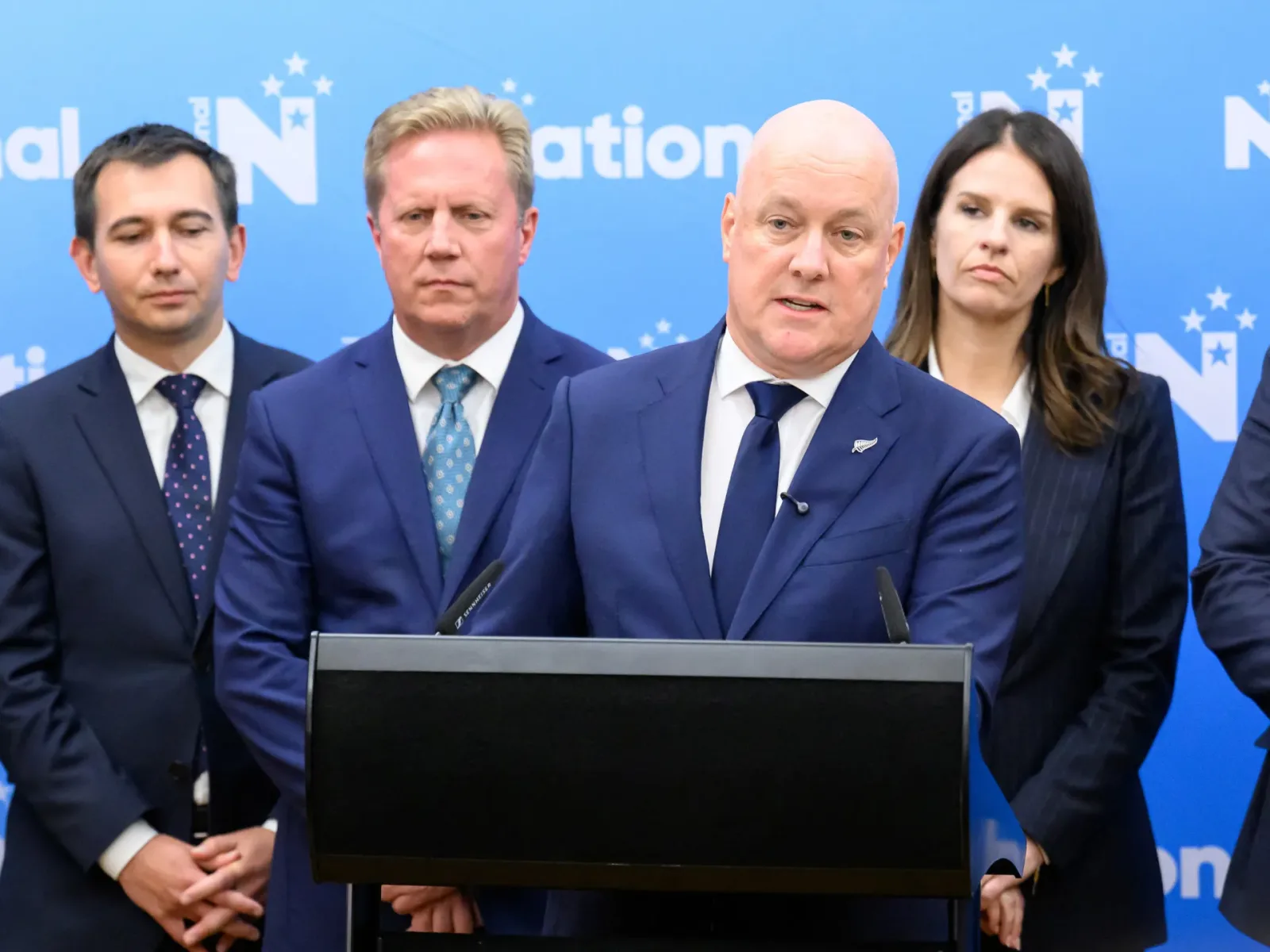
National-led bloc misses majority by a single seat and must negotiate with the Opportunity Party.
 Image: BBC News Download
New Zealand's ruling coalition fell short of a parliamentary majority by one seat after the 2026 general election, with official results released on Friday, 27 November 2026. The outcome forces the National Party government to seek support from the centrist Opportunity Party to stay in power.
Seat distribution and coalition prospects
The incumbent National Party, led by Prime Minister Christopher Luxon, secured 40 of the 130 seats in parliament. Its junior partners, ACT and New Zealand First, added 13 and 12 seats respectively, bringing the bloc to 65 seats. The opposition Labour Party won 36 seats, while the Greens captured 17 and Te Pāti Māori obtained five.
The Opportunity Party emerged with seven seats, positioning it as the decisive player in forming a stable government. Its leader, Qiulae Wong, has indicated an intention to begin talks with the party that holds the most seats, according to BBC News.
- National Party: 40 seats
- ACT: 13 seats
- New Zealand First: 12 seats
- Labour: 36 seats
- The Greens: 17 seats
- Te Pāti Māori: 5 seats
- Opportunity Party: 7 seats
Political context and voter sentiment
The election took place against a backdrop of a sluggish economy, rising living costs and high unemployment. Surveys cited by the Helen Clark Foundation show that more than half of respondents no longer view the country as a land of opportunity. Emigration has accelerated, with former Prime Minister Jacinda Arden among those relocating to Australia.
Voter frustration was evident in interviews conducted earlier with the BBC. A 21‑year‑old expressed a sense of apathy and dread, while a 40‑year‑old man admitted he abstained because he could not identify with any party.
"There's this kind of apathy and a bit of dread," said 21‑year‑old Imogen Vlutger.
National's campaign promised lower taxes, cheaper energy, expanded renewable generation and a stronger defence focus. Labour, on the other hand, pledged cuts to healthcare, public transport and fuel costs, alongside increased government support for social housing.
What happens next
If negotiations with the Opportunity Party succeed, the National-led coalition could form a narrow government with a one‑seat margin. Failure to reach an agreement may trigger a parliamentary deadlock, potentially leading to a new election, as suggested by BBC News.
Special votes, which are typically cast by citizens overseas or outside their electorate, reduced National's tally by two seats. These votes tend to lean left, and their impact altered the final seat count.
New Zealand's mixed‑member proportional system means that most administrations are built on coalitions, with each voter selecting both a constituency representative and a party list. The current stalemate underscores the importance of post‑election bargaining in this framework.
Further reading
For more context on this story, explore these trusted outlets.