 N

Trending: Hakeem Jeffries Secures Speaker Role Amid Progressive Dissent Hottest news
Jeffries wins the speakership with strong Democratic support while facing a modest progressive revolt.
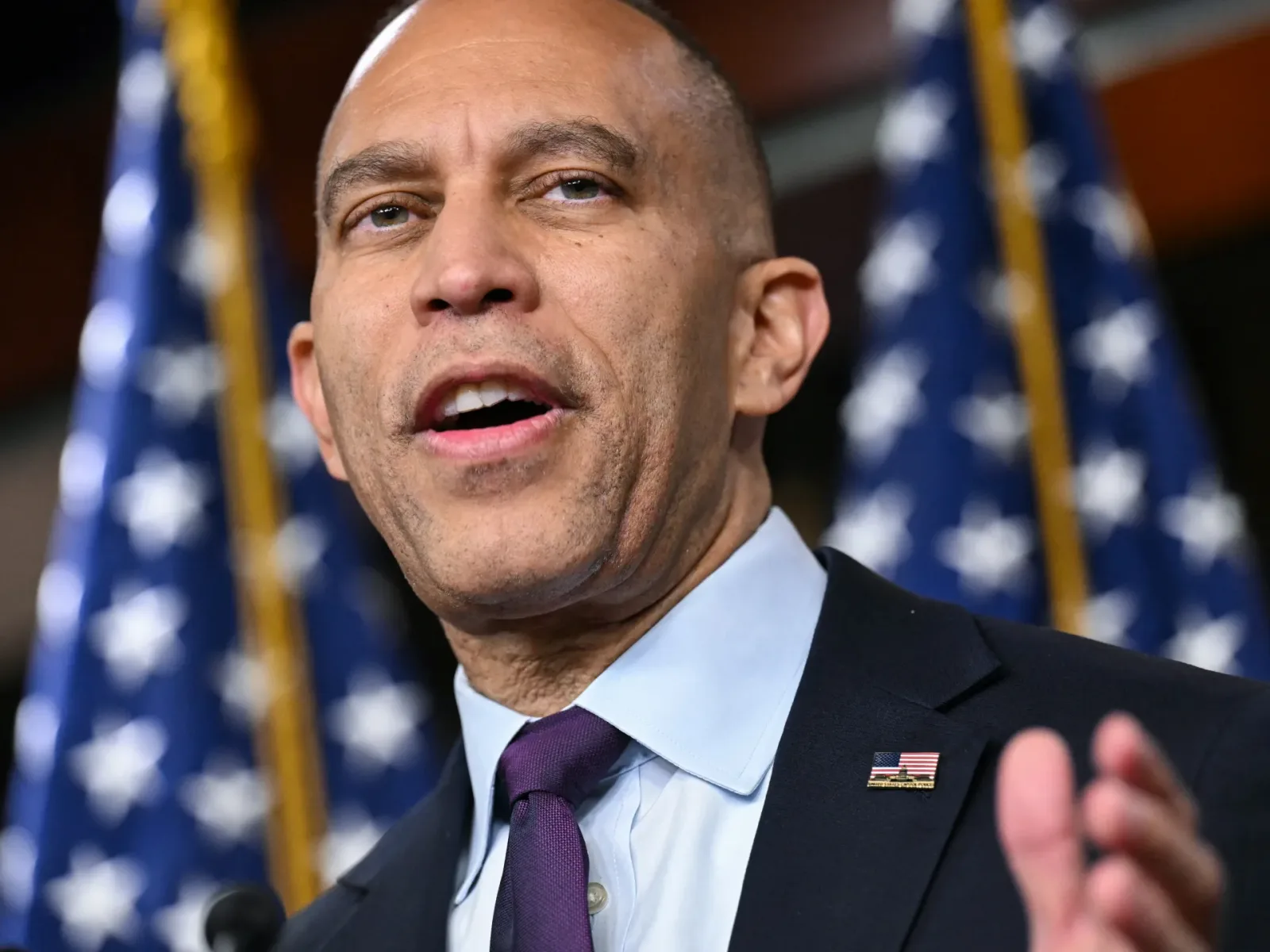 Image: Al Jazeera Download
On November 27, 2026, Hakeen Jeffries, the House Minority Leader from New York, was confirmed as the next speaker of the U.S. House of Representatives after the Democratic Party captured a decisive majority in the midterm elections. The vote took place in Washington, D.C., and marked a historic moment as Jeffries would become the chamber’s first Black speaker.
How Jeffries Navigated Internal Opposition
According to Al Jazeera, Breaking News, World News and Video from Al Jazeera, Jeffries chose a secret ballot rather than an acclamation to avoid giving the appearance of unanimity while the progressive wing was still organizing. The tactic echoed a 2018 move by former speaker Nancy Pelosi, who also called a secret vote when her leadership was challenged. Potential challengers such as Representatives Ayanna Pressley and Jamie Raskin opted not to run, leaving Jeffries with 251 votes in favor and 11 against, the dissent coming largely from newly elected members aligned with the Democratic Socialists of America.
The modest rebellion reflects a broader dynamic in the incoming Democratic caucus. Progressive and anti‑establishment forces, buoyed by the blue wave, have demanded a shift on health care, campaign finance and U.S. policy toward Israel. While the media may have overstated the size of the Democratic Socialists of America’s influence, their presence is enough to register a distinct voice within the party.
Policy Signals to Bridge the Divide
Jeffries has positioned affordability as his central message since the election, a theme that resonates across the ideological spectrum. On November 17, the day before the speaker‑nomination vote, he endorsed an expanded Medicare proposal that would lower the eligibility age, extend coverage to children under 18, and add dental, vision and hearing benefits. The plan also proposes to reverse Trump‑era Medicaid cuts and restore tax credits from the Affordable Care Act. Progressive leaders, including Senator Bernie Sanders and members of the Congressional Progressive Caucus, have framed the initiative as a stepping stone toward a universal Medicare system.
While the ultimate impact of this framing remains uncertain, the endorsement demonstrates Jeffries’ willingness to adopt elements of the progressive agenda. It also mirrors the strategy of his predecessor, who managed dissent by assigning committee roles that directed activist energy toward executive oversight rather than internal party battles.
Historical Significance and External Reactions
Jeffries’ ascent carries symbolic weight. As the first Black speaker, he will lead a diverse Democratic caucus that includes historic firsts for Hispanic and Asian legislators. Former President Donald Trump acknowledged the milestone, describing it as “a big deal” and calling Jeffries “a very smart guy.” Jeffries has indicated openness to cooperating with members of the Trump administration, though he has dismissed the new White House chief of staff, Stephen Miller, as a “stone‑cold racist.”
Black voters and candidates played a pivotal role in the Democrats’ 2026 surge, complicating the simplistic narrative of a centrist‑progressive split. While the far left sometimes struggles to attract Black support, any perception that progressives are undermining the first Black speaker could provoke backlash within the party.
What Happens Next
- Jeffries will need to balance the expectations of progressive lawmakers with the constraints of a narrowly divided House.
- Efforts to pass the expanded Medicare plan could serve as a test of his ability to unite the caucus.
- Future leadership contests, such as potential challenges to Senate Minority Leader Chuck Schumer, may reshape the intra‑party landscape.
Further reading
For more context on this story, explore these trusted outlets.