 N

Trending: New Zealand election leaves coalition short of majority, sparking complex negotiations Hottest news
National Party and partners fall one seat shy of a governing majority after the November 7 vote.
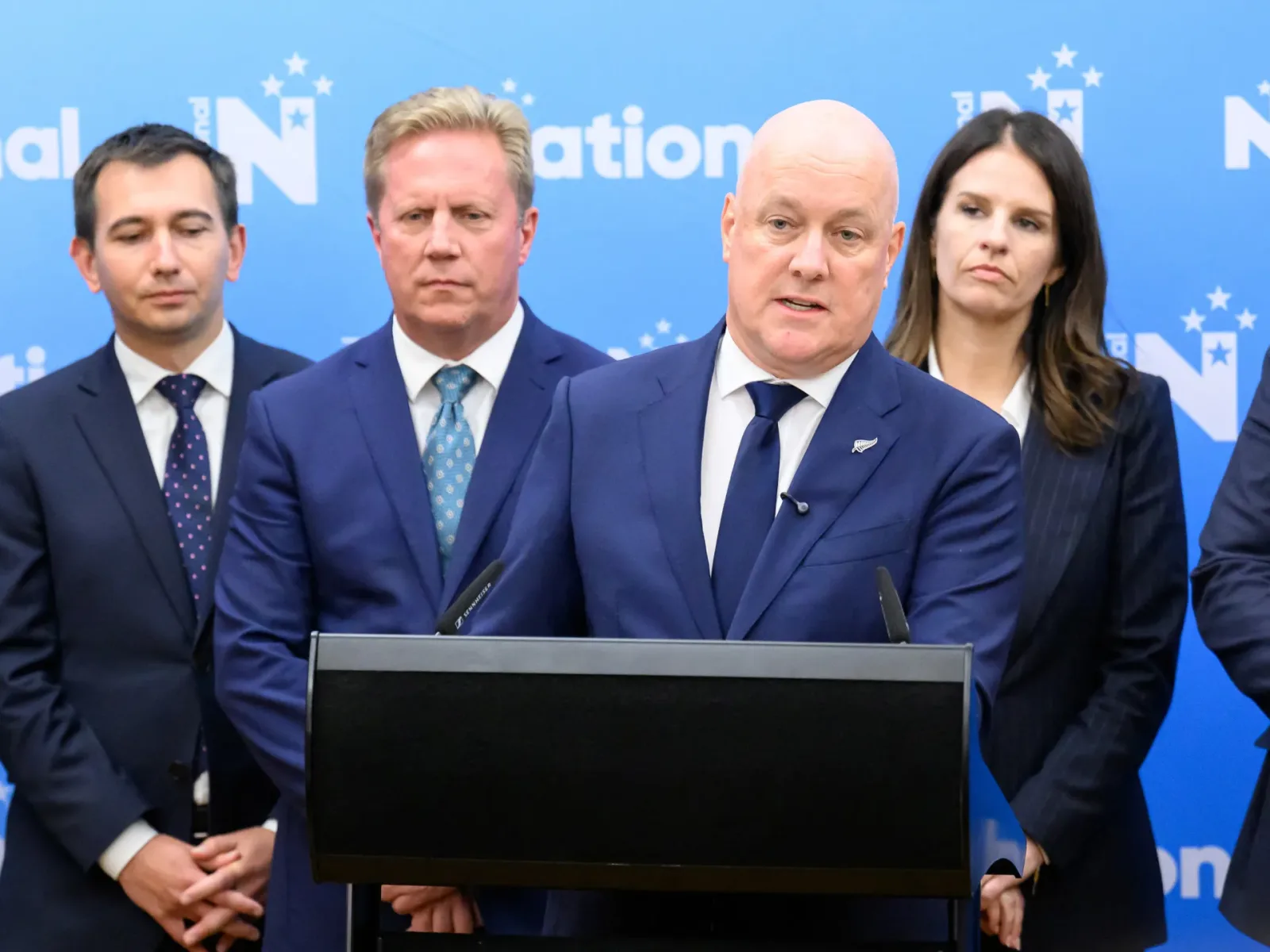 Image: Al Jazeera Download
Prime Minister Christopher Luxon’s centre‑right coalition walked out of New Zealand’s November 7 election without a clear road to a majority, Al Jazeera reports. The National Party, together with junior partners New Zealand First and ACT, claimed 65 of the 130 seats, one shy of the 66 needed for a stable government.
Election outcome and party standings
The final count released on Friday gave National 40 seats, roughly 38 % of the vote, while ACT and New Zealand First took 13 and 12 seats respectively. Labour lingered at 36 seats, well below the 66‑seat threshold. The centrist Opportunity Party, led by former consultant Qiulae Wong, secured seven seats, instantly turning it into a potential kingmaker.
Wong has been pushing a universal basic income of up to NZ$370 a week, tougher climate action, a ban on bottom‑trawling and health‑system reforms. She also warned that New Zealand needs a government that can last a full term.
Challenges in coalition building
Negotiations look set to be messy. Winston Peters, the outspoken leader of New Zealand First, has called opponents “morons” and told a Chinese‑born MP to “go back to your country” earlier this year. His party wants stricter immigration rules and a pull‑out from the Paris Climate Accord.
Deputy Prime Minister David Seymour of ACT ran on cutting the role of Māori in governance and slashing public spending. Those positions clash hard with Wong’s progressive agenda, meaning any deal will demand heavy compromise.
“I don’t know exactly what kind of shape that will be yet, but it’ll be highly likely that there will be a right bloc formed and not a second election,” said Luke Oldfield, a political scientist at Victoria University of Wellington, speaking to Reuters.
Oldfield’s take, cited by Al Jazeera, hints that a right‑leaning coalition may emerge, though the exact lineup remains hazy.
What happens next
National and its junior partners must win over at least one more seat to hit the 66‑seat mark. The Opportunity Party’s seven seats make it a pivotal player, but its policy mix differs sharply from the incumbent bloc. If talks grind to a halt, a snap election within a year could become a real possibility, sources say.
Luxon told reporters on Friday that New Zealanders deserve a government that can work together and survive the full parliamentary term. He re‑affirmed his focus on economic recovery and stability, the twin themes of his campaign amid a sluggish economy.
As the political map reshapes, observers will watch how parties juggle policy gaps, personal rivalries and the pressure to avoid another vote. The next few weeks will decide whether a right‑leaning bloc can pull together or if a broader alliance, perhaps with the Opportunity Party, will take shape.
Further reading
For more context on this story, explore these trusted outlets.