 N

Trending: U.S. Treasury expands sanctions on Iran's shadow banking network Hottest news
New measures target over two dozen Iranian exchange houses and front firms as tensions rise.
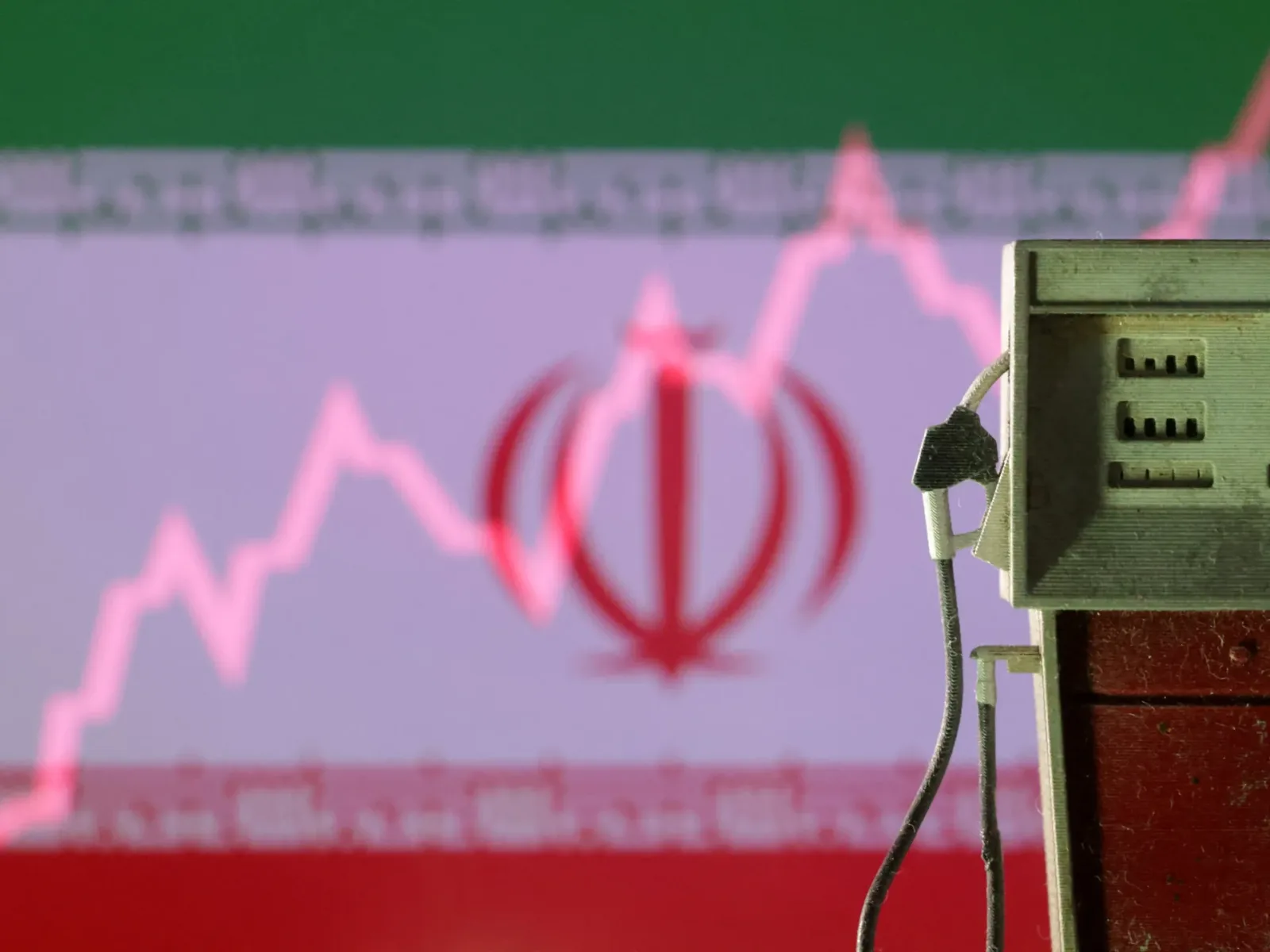 Image: Al Jazeera Download
On Monday, the United States Department of the Treasury announced a fresh round of sanctions aimed at more than two dozen Iranian exchange houses, front companies and senior officials, according to Al Jazeera, Breaking News, World News and Video from Al Jazeera. The move is part of the Operation Economic Outcast campaign and follows recent statements by President Donald Trump about possible military action in the coming year.
Sanctions focus on shadow banking and exchange firms
The Treasury said the designations are intended to disrupt Iran’s global shadow banking networks that move billions of dollars despite comprehensive sanctions. Among the listed entities is an Iran‑based firm called Rahbar Bazargani Nesim Baharan Qeshm Company, which the Treasury alleges worked with exchange houses and front firms to process transactions for Sarmayeh Bank’s Iranian clients, including major petrochemical producers. The announcement also named Mina Fashki and Partners Exchange Company and Mellat Exchange Company, together with several owners and employees.
U.S. Treasury Secretary Scott Bessent described Iran’s shadow banking system as “the last financial lifeline of a bankrupt regime.” He added that the Treasury will keep dismantling the illicit networks until it “buried the head of the snake.” The Central Bank of Iran is said to oversee the designated entities.
Political backdrop and regional reactions
The sanctions arrive amid heightened rhetoric from Washington. Earlier this month, President Trump told Fox News’ chief foreign correspondent that he was “inclined to order military strikes against Iran after the new year if the two countries fail to reach an agreement.” At the same time, Iran’s foreign minister Abbas Araghchi expressed hope that diplomatic channels could still end a nine‑month confrontation, according to AP reporting cited by Al Jazeera.
U.S. officials have claimed that the broader sanctions campaign has pushed the Iranian rial to record lows and spurred inflation to roughly 90 percent. The escalation adds pressure to a conflict that has unsettled the Middle East, disrupted maritime traffic, raised global energy prices and involved several regional actors.
What happens next
Analysts suggest that the United States will monitor the impact of the new designations on Iran’s ability to access foreign currency. Tehran may seek additional workarounds or appeal the measures through international legal channels. Diplomatic efforts, including talks mediated by Qatar, continue as both sides weigh the costs of further escalation.
Further reading
For more context on this story, explore these trusted outlets.