 N

Trending: Sudanese widows face hunger, trauma and uncertain futures in displacement camps Hottest news
A mother of two recounts a brutal trek from Omdurman to Port Sudan and the daily struggle for survival amid war‑driven poverty.
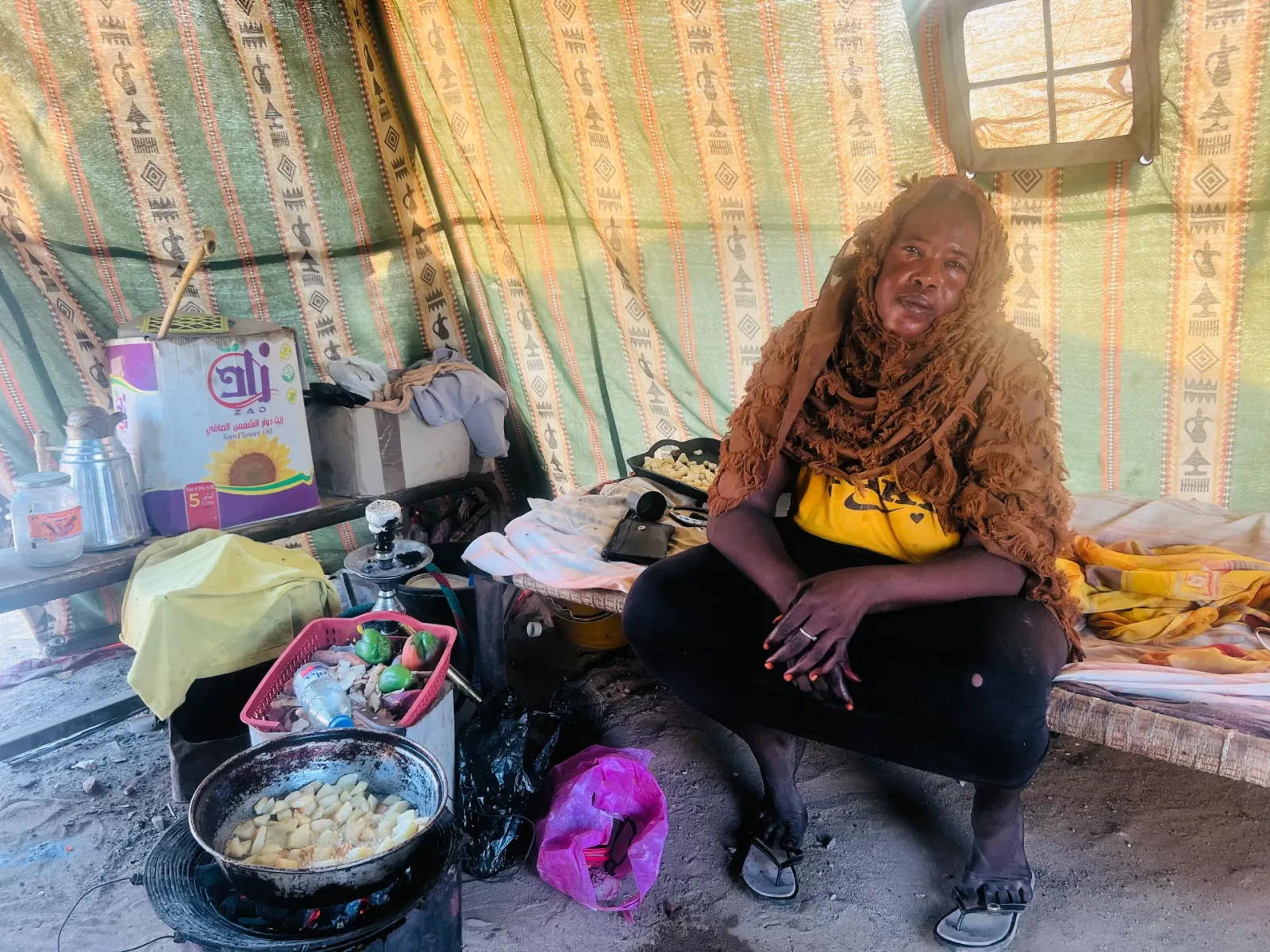 Image: Al Jazeera Download
Arafa Abdelaziz, a 33‑year‑old mother, fled the capital after her husband died in April 2023 and her eight‑year‑old son was killed by stray fire five months later. She arrived at the Port Sudan displacement camp of New Halfa in December 2023, cradling a six‑year‑old son who lives with a rare epileptic brain disorder.
Journey marked by violence and loss
When fighting between the Sudanese Armed Forces and the Rapid Support Forces flared in Omdurman, Arafa decided to escape with her younger child. The 15‑day trek to the Red Sea city of Port Sudan turned into a nightmare after RSF fighters forced the bus to stop near Jebel Aulia, looted every seat and assaulted the women.
"They asked every woman carrying a child how she wanted her son to be killed. I told them to kill me before they touched my son," Arafa recalled.
One fighter struck her with the butt of his rifle, knocking her out for more than an hour. When she came to, she saw other women being raped on the bus, she called it "the end".
RSF men also ripped two gold rings from her fingers and beat her before finally letting the group go. Arafa arrived in Port Sudan with nothing but the clothes on her back, her son already trembling from the ordeal.
Life in the camps
With no family or friends in the coastal city, Arafa first took refuge in a makeshift school shelter, a cracked‑wall primary school on the outskirts, then moved to a formal camp. She now shares a canvas‑sided hut with her son, whose condition swings wildly; he needs phenobarbital tablets that she can only buy when his seizures spike.
"Sometimes he imagines strange things because of his illness," she said. "Yesterday, he told me he could see a lot of blood on the ground. It makes me think every day about his future with this condition."
Because aid is sporadic, she gives him medicine only when the attacks worsen. She lives on monthly food parcels, a bucket of water, and a handful of basic health supplies, yet the camp offers little shield against further abuse.
According to Al Jazeera, Breaking News, UN Women reported in October 2026 that 12.7 million Sudanese, mostly women and girls, need assistance for gender‑based violence, a figure four times higher than before the war. The agency warned that sexual violence is being used as a weapon, exposing women while fleeing, in camps and even when seeking essential services.
Wider impact on widowed women
The conflict has claimed up to 150,000 lives and displaced millions, pushing household incomes back to 1992 levels and plunging extreme poverty to figures last seen in the 1980s, according to United Nations data. Conscription, casualties and outward migration have left women as heads of household in countless displaced families.
The UN’s 2025 Gender Snapshot found that three‑quarters of female‑headed households in Sudan are food insecure, a rate three times higher than that of male‑headed households. The Mashad Observatory recorded 72,202 cases of widowhood since the war began in April 2023, a trend that threatens household stability, economic security and mental health across generations.
A spokesperson for the observatory told Al Jazeera that widows often lose the main source of income, are forced to abandon their homes without financial or social support, and become vulnerable to exploitation, forced marriage of their daughters and interruptions in children’s schooling. The cumulative trauma also erodes mental‑well‑being, especially where psychosocial services are scarce.
What happens next
Humanitarian agencies note that Sudan’s 2026 response plan, unveiled in March, aims to reach 20.4 million people and requires $2.9 billion, yet only 47 percent of that funding has arrived. Experts argue that shifting from short‑term relief to a comprehensive national strategy is essential. Such a plan would put widows and female‑headed households at the centre of reconstruction, offering sustainable cash assistance, vocational training, decent work, credit, education, health care, legal protection and psychosocial support.
For Arafa and countless other mothers, the future hinges on whether the international community can close the funding gap and launch programs that rebuild livelihoods and protect the most vulnerable.
Further reading
For more context on this story, explore these trusted outlets.