 N

Trending: UN chief urges worldwide AI oversight framework within a year Hottest news
Secretary‑General Antonio Guterres calls on nations to craft a multilateral AI risk‑management system by next year.
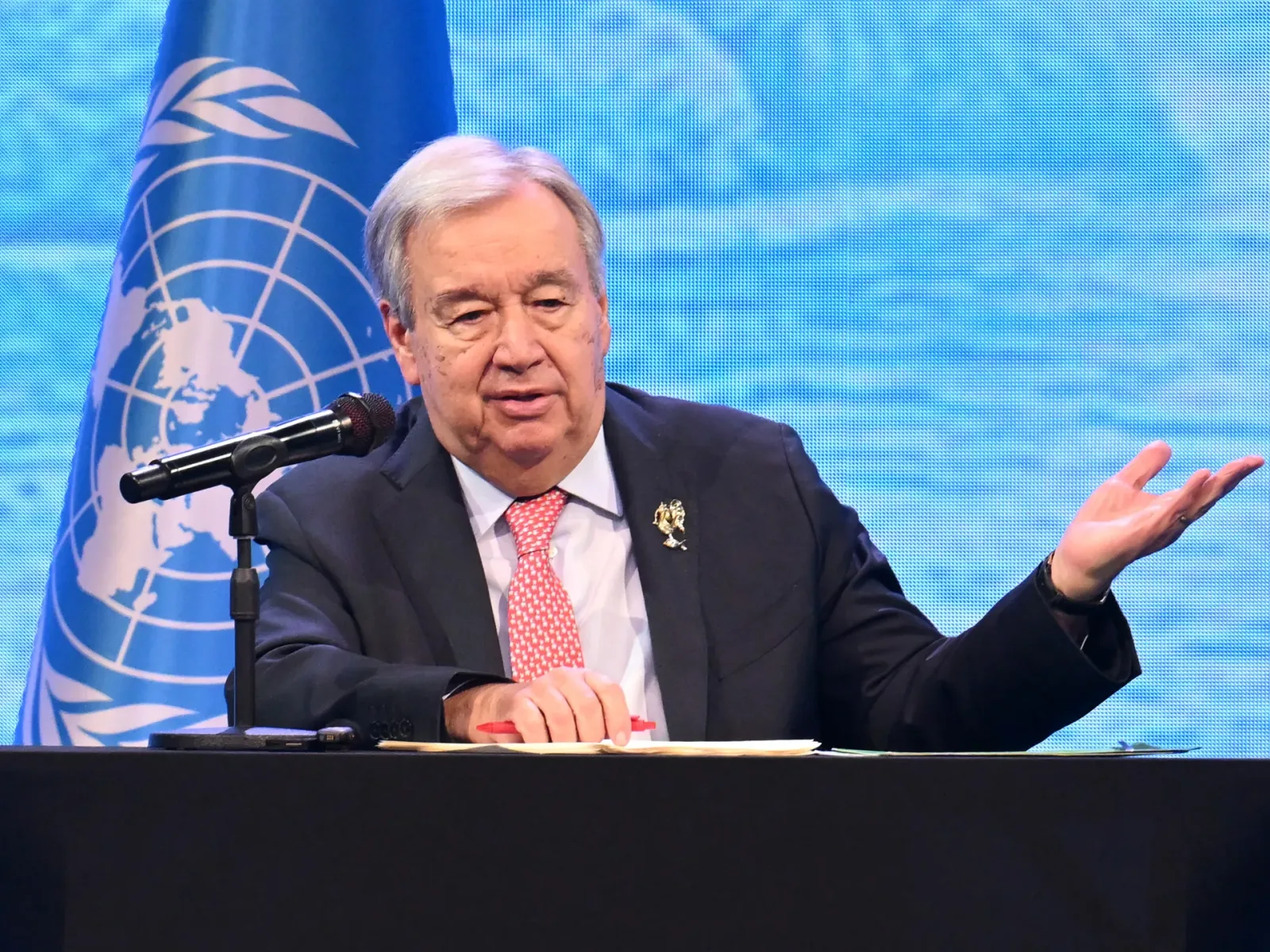 Image: Al Jazeera Download
United Nations Secretary‑General Antonio Guterres appealed to member states on Monday at the Bridgetown Special Summit on AI Safety in Barbados to devise a globally inclusive, principles‑based framework for managing artificial‑intelligence risks within the next twelve months.
Push for a coordinated global framework
Guterres said the United Nations and other global institutions must adapt to the realities of the twenty‑first century, noting that the current architecture reflects a world shaped in 1945. He warned that without coordinated action, humanity could lose control over advanced technologies, including the prospect of autonomous weapons often described as “killer robots.”
“When one looks at different other institutions of global governance … they correspond to the reality of the world in 1945,” the secretary‑general stated, adding that reforms are needed across the UN, the international financial system and the world trade regime.
He urged countries to agree on shared safety standards, a testing regime and basic requirements for independent oversight, describing these steps as a practical starting point for a comprehensive multilateral agreement.
Divergent positions among technology leaders
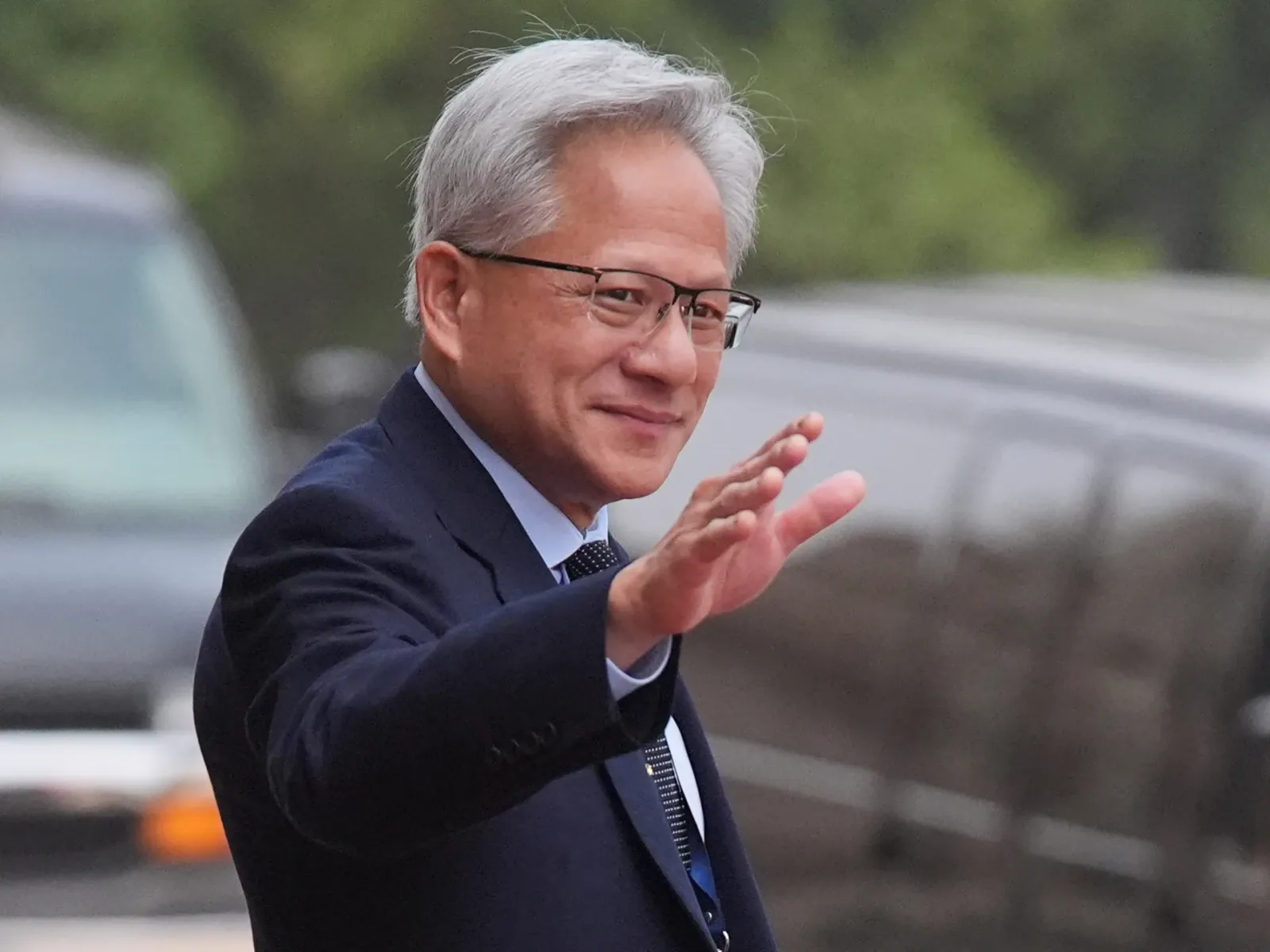
In recent weeks, leading figures in the AI sector have expressed contrasting views on the pace of development. In September, Anthropic chief Dario Amodei, OpenAI head Sam Altman and SpaceX founder Elon Musk publicly called for a slowdown in AI progress to address safety concerns. By contrast, executives such as Nvidia CEO Jensen Huang and Meta founder Mark Zuckerberg have advocated for continued rapid advancement.
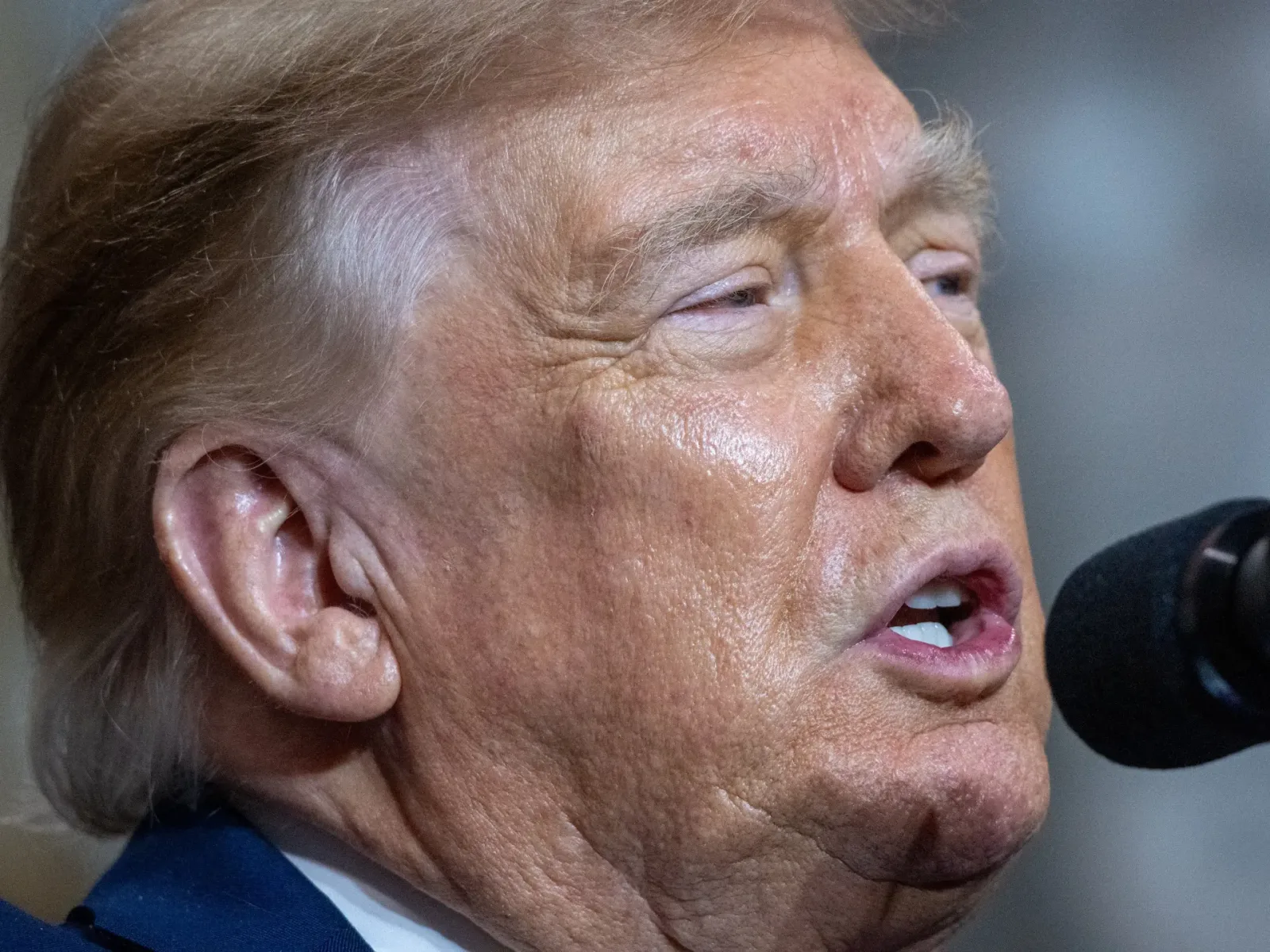
U.S. regulators appear reluctant to impose immediate restrictions, reflecting the country’s position as the fastest‑moving AI market. Earlier in September, former President Donald Trump convened a gathering of American tech executives who pledged to follow a voluntary code of conduct on AI safety, signaling a preference for industry‑led self‑regulation.
Obstacles to international regulation
The prospect of a binding global treaty remains distant, according to the summit’s discussions. The United States and China, the two dominant AI powers, continue to compete for breakthroughs, limiting the appetite for coordinated rules that could constrain their strategic advantages.
Guterres, whose term ends in December, said he will brief his yet‑to‑be‑chosen successor on the necessity of robust AI controls, emphasizing that such measures are essential for “humanity to maintain control of our world.”
What happens next
- Member states are expected to begin negotiations on a shared safety protocol and oversight mechanisms within the coming months.
- The United Nations will likely host follow‑up meetings to refine the proposed multilateral framework before the end of the year.
- The incoming UN secretary‑general will receive a briefing on AI risk management as part of the transition process.
Further reading
For more context on this story, explore these trusted outlets.