 N

Trending: Global Leaders Face Choice Between Nuclear Disarmament and Escalating Risk Hottest news
ICAN warns the world is at its highest nuclear danger since the Cold War and urges a move toward total abolition.
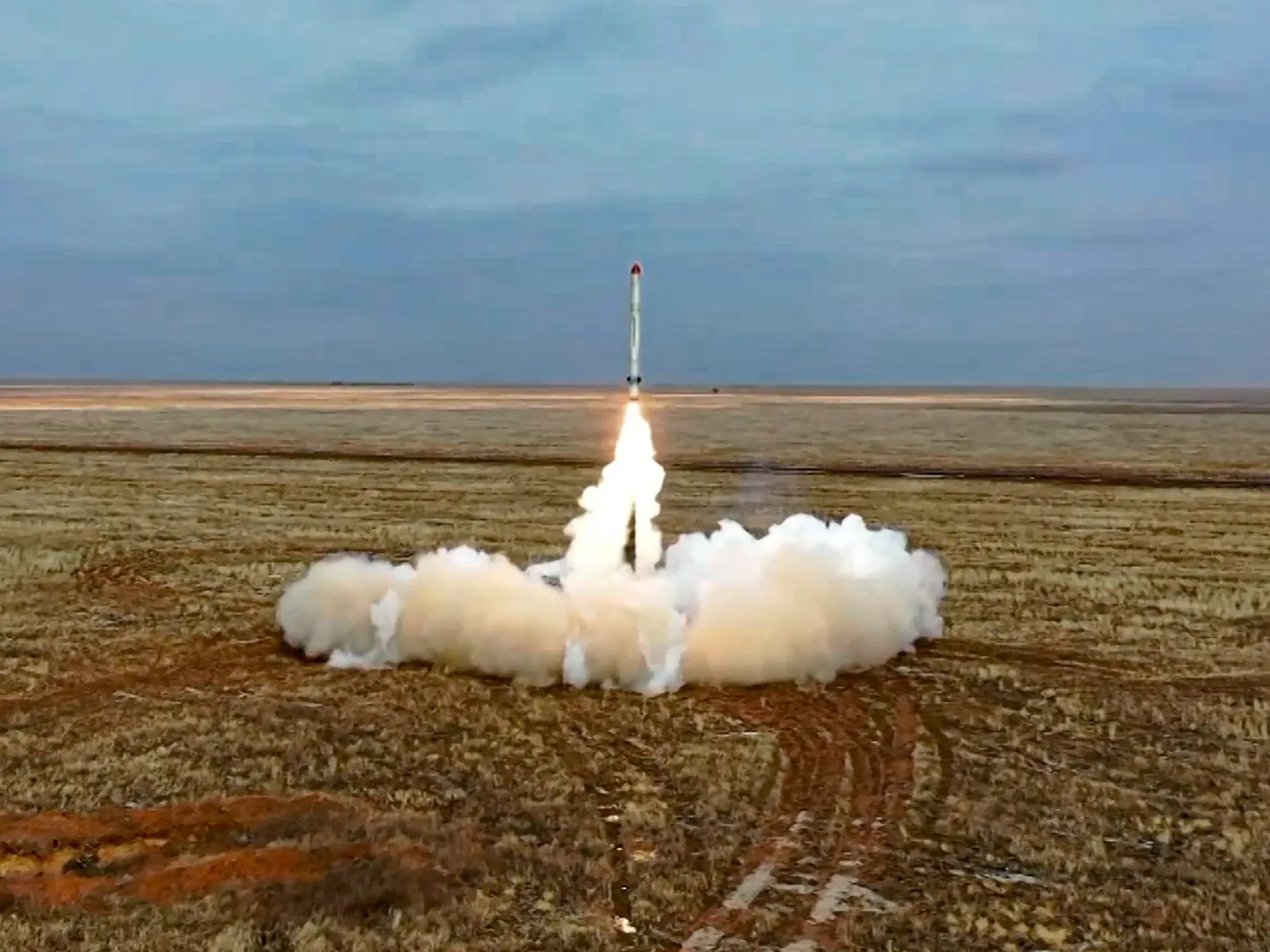 Image: Al Jazeera Download
On 26 November 2026, the executive director of the International Campaign to Abolish Nuclear Weapons (ICAN) warned that the planet confronts the greatest chance of a deliberate or accidental nuclear clash since the Cold War, a risk that persists despite the end of that era. The statement was made ahead of a United Nations review conference on the nuclear ban treaty in New York.
Heightened tensions and the limits of deterrence
The United States and Russia together hold almost ninety percent of the world’s nuclear stockpiles, according to Al Jazeera, Breaking News, World News and Video from Al Jazeera. Both powers have recently become involved in conflicts with nations that do not possess nuclear weapons, Ukraine and Iran, and their leaders, President Putin and former President Trump, have issued statements that imply a willingness to consider nuclear use.
In a historic three‑way summit, Putin, Trump and Chinese President Xi Jinping, who oversees the third‑largest arsenal, reaffirmed that a nuclear war cannot be won and must never be fought. Their joint declaration called for dialogue on lowering nuclear hazards, but offered no new concrete steps.
Deterrence theory, which relies on the threat of massive civilian casualties, underpins the stance of the nine nuclear‑armed states and their NATO allies. Critics argue that the doctrine creates chronic insecurity rather than stability, a view echoed by the ICAN director.
Multilateral push toward total abolition
While a minority of states cling to deterrence, a growing majority backs the Treaty on the Prohibition of Nuclear Weapons (TPNW). The treaty, backed by the United Nations, has been signed or ratified by 101 countries, establishing a legal norm that labels nuclear weapons as unacceptable alongside chemical and biological arms.
South Africa will preside over the upcoming review conference in New York. The nation provides a precedent: after developing a nuclear arsenal with external assistance in the 1970s, it voluntarily dismantled the weapons under international supervision in the 1990s.
The conference aims to assess implementation of the TPNW and to adopt a strong political declaration that stresses the urgency of disarmament and condemns the role of deterrence in heightening risk. Organisers anticipate that several additional states will use the meeting to sign or ratify the treaty, further isolating the nine nuclear powers.
What happens next
- Delegates will review progress on the TPNW and propose measures to strengthen its impact.
- A political declaration is expected to call for accelerated nuclear disarmament and to highlight the dangers of deterrence.
- Countries that have not yet joined the treaty are urged to do so before the conference concludes.
“The weapons of war must be abolished before they abolish us.”, President John F. Kennedy
The ICAN director concludes that nuclear weapons are a political choice, not an inevitability, and that humanity can dismantle them as demonstrated by South Africa. The call to action is clear: the world must decide whether to continue relying on a doctrine that threatens global survival or to move toward total abolition.
Further reading
For more context on this story, explore these trusted outlets.