 N

Trending: Brazil denounces French leader’s claim that its meat is ‘doped’ Hottest news
Brazil protests Macron’s remarks on Brazilian meat amid EU‑Mercosur trade dispute.
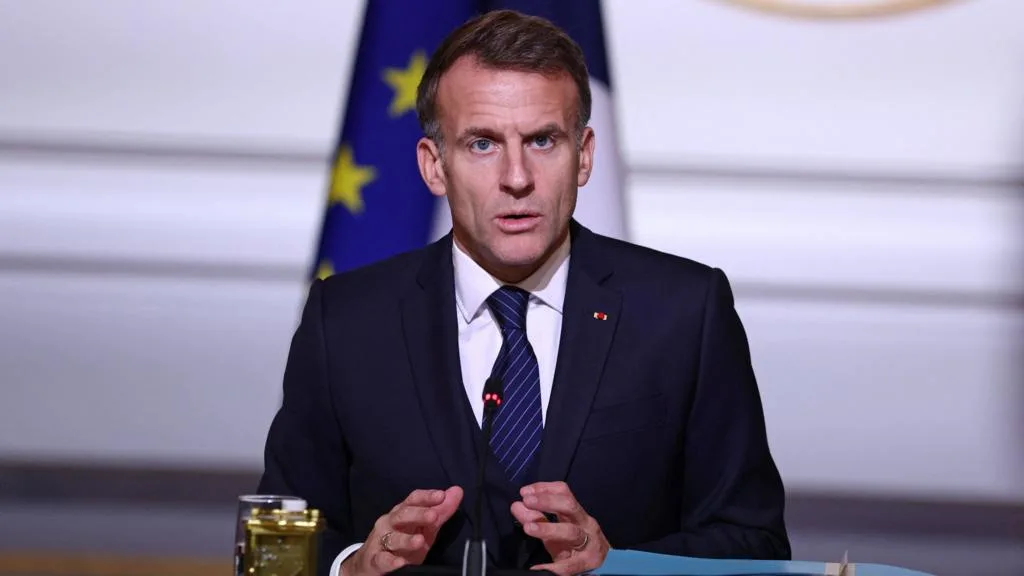 Image: BBC News Download
Brazil on Monday slammed French President Emmanuel Macron’s claim that Brazilian meat is “doped,” a jab he made while meeting French farming union leaders in Paris on Wednesday.
Brazil’s official reaction
The Ministry of Agriculture, Livestock and Food Supply issued a terse statement: it “regrets” the president’s description and calls the remark “misinformation that flies in the face of the technical and scientific evidence on animal protein production in Brazil,” according to BBC News. Brazil has been feeding the European Union for decades, and today it ships meat to 177 markets around the globe. A recent European audit praised the country’s “rigorous sanitary control system,” and officials say they meet the EU’s strict environmental standards.
Context of the EU‑Mercosur row
Macron’s comment arrived as he lauded EU steps that blocked Brazilian meat and poultry imports earlier this year. Those restrictions, which kicked in last September, were justified by the European Commission on the grounds of antimicrobial use in South American farms. Speaking from the Élysée Palace, Macron declared he was “proud of the fight we led” against Mercosur and added:
And the ‘doped’ meat, if I may put it that way, or rather meat from Mercosur countries, especially Brazil, that was arriving in our ports and therefore entering our markets without complying with our rules, was ultimately banned.
Brazil called the EU move “clearly political” and urged France to rethink its stance in light of scientific data. The Brazilian statement also stressed the importance of the bilateral relationship, pleading for mutual respect and reciprocity amid what it called protectionist pressure.
Economic stakes
Brazil’s agricultural ministry says the country shipped roughly $1.84 billion (£1.4 billion) of meat to the EU in 2025. Beef tops the list, but poultry and other animal proteins also flow across the Atlantic. The EU ban therefore bites hard, shaving billions off exporters’ revenues and tightening the squeeze on ongoing EU‑Mercosur negotiations.
What happens next
Both sides say they will keep diplomatic channels open. Brazil has asked France to base its position on the scientific data it claims supports its production standards. Meanwhile, the EU is likely to keep a close eye on compliance with its antimicrobial rules while broader Mercosur trade talks march on.
Further reading
For more context on this story, explore these trusted outlets.