 N

Trending: Washington set to impose new tariffs on 16 major trading partners Hottest news
The United States plans to announce fresh import duties affecting China, the EU, Mexico and Japan, raising trade tensions.
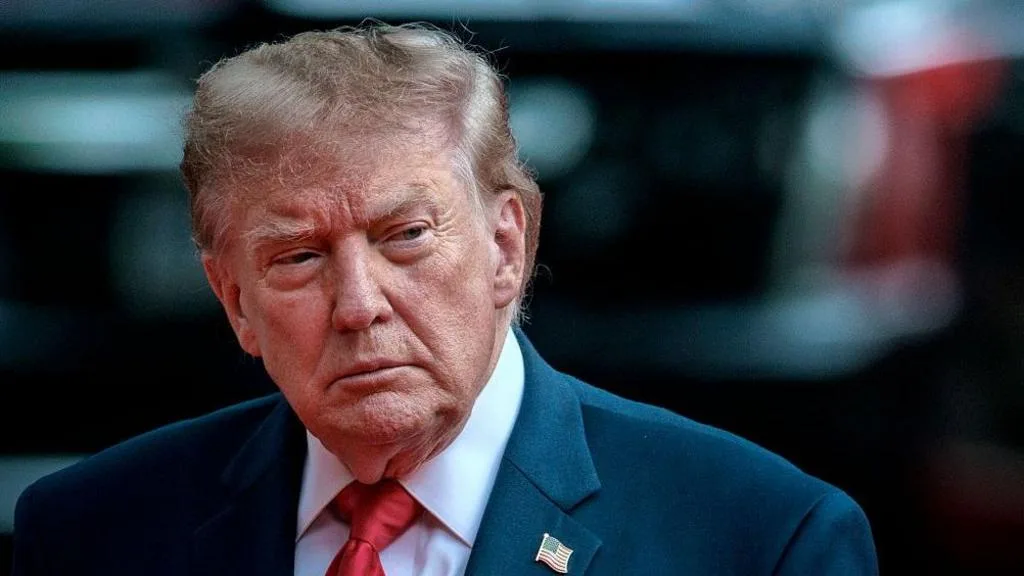 Image: BBC News Download
On Wednesday, the United States announced it will soon unveil a slate of import duties targeting sixteen of its largest trading partners, including China, the European Union, Mexico and Japan, according to BBC News. The move follows a Section 301 investigation launched earlier this year after a Supreme Court decision struck down earlier tariff measures.
Scope of the proposed duties
The upcoming tariffs will not be uniform. Each jurisdiction will face a rate that reflects the specific trade agreements it reached with the Trump administration during his previous term. The list of affected economies spans North America, Europe and Asia, covering the bulk of U.S. trade volume. While exact percentages have not been disclosed, officials indicated that the rates will be calibrated to address perceived imbalances in manufacturing and investment flows.
Political and legal backdrop
President Donald Trump has repeatedly positioned tariffs as a core element of his economic strategy, arguing that they protect domestic factories and preserve jobs. In April 2025, shortly after returning to office, he announced sweeping duties on a range of countries, a move that was later invalidated by the Supreme Court. The Court’s ruling prompted the Section 301 probe that now underpins the new proposal.
U.S. Trade Representative Jamieson Greer, who defended the earlier measures, asserted that excess production abroad was displacing American manufacturing and discouraging investment. The administration’s current approach builds on that rationale, seeking to correct what it describes as unfair trade practices.
Potential impact and international reaction
The announcement is expected to heighten friction with China, the world’s second‑largest economy, which remains embroiled in a broader trade dispute with Washington. A recent meeting between President Trump and Chinese President Xi Jinping failed to produce a lasting settlement, and an interim agreement is set to lapse on 10 January.
U.S. officials have accused Beijing of falling short of commitments made in a prior accord signed in South Korea in October 2025, especially regarding purchases of agricultural goods, rare earth elements and other critical minerals. In response, China extended a suspension of a ban on exporting certain minerals, such as gallium, germanium and antimony, until 27 January, a move that would otherwise have taken effect on Friday.
"particularly as they relate to agricultural purchases, rare earths, and other critical minerals"
Critics of the tariff policy argue that higher import costs will burden American consumers and could dampen global economic growth. Analysts note that while tariffs may provide short‑term relief to specific industries, they also risk prompting retaliation from affected nations, potentially spiralling into a broader trade war.
What happens next
According to BBC News, the White House is expected to release the detailed tariff schedule within the next few days. Businesses and trade groups are preparing for the possibility of higher input costs, and policymakers are watching closely for any retaliatory measures from the targeted countries. The expiration of the interim China agreement on 10 January adds further uncertainty to the evolving trade landscape.
Further reading
For more context on this story, explore these trusted outlets.