 N

Trending: US regulators approve SpaceX plan for million‑satellite orbital data centres Hottest news
SpaceX cleared to launch up to a million solar‑powered satellites that will act as space‑based data hubs for AI workloads.
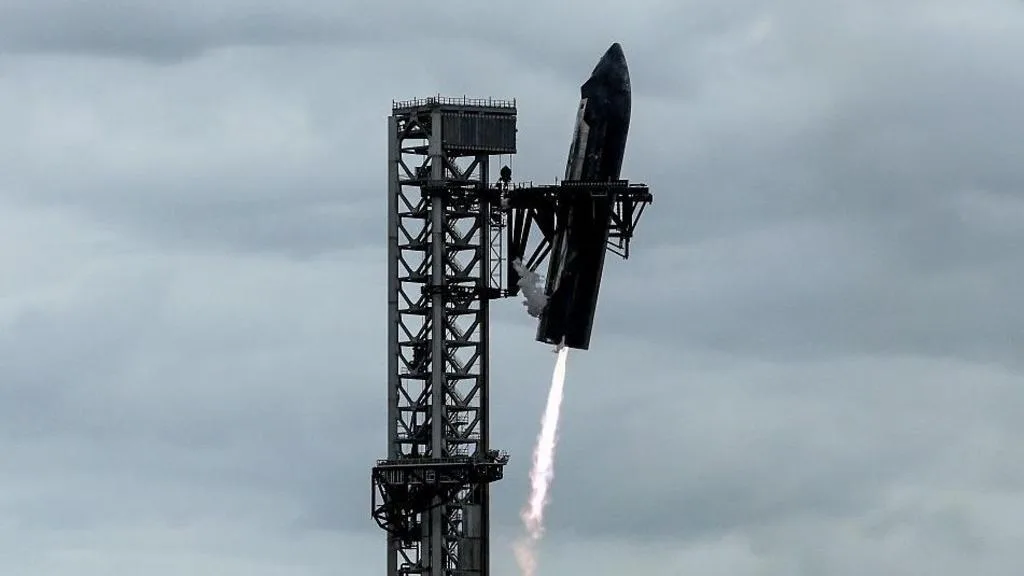 Image: BBC News Download
SpaceX got the green light on Wednesday, November 26, 2026, to launch up to a million low‑Earth‑orbit satellites for its Starmind project, a plan to build orbital data centres powered by sunlight.
Regulatory approval and timeline
The Federal Communications Commission announced the decision, calling the venture a boost for "America's booming super intelligence economy". The licence forces SpaceX to start putting satellites into orbit no later than November 2033. By the same rules, 10 % of the fleet must be up by November 2035, and half of the total by November 2038. The company says the first Starmind satellite will lift off in 2027, likely from the Boca Chica launch pad.
"opens a bold new frontier for the computing infrastructure needed to power America's leadership and growth," FCC Chairman Brendan Carr said in a statement.
"This is the kind of American ingenuity that can unite our strengths in space and advanced technology, reinforce our economic leadership, and expand prosperity here at home," Carr added.
Elon Musk replied on X, writing, "Much appreciated. This will be a great asset to America and the world."
How orbital data centres are intended to work
Starmind satellites will cruise in low‑Earth orbit between 500 and 2,000 kilometres. Each craft will unfurl solar arrays the size of a small house, feeding power to processors that crunch AI workloads. Results will beam back to Earth through the existing Starlink network, which already runs more than 10,000 broadband satellites.
The FCC framed the idea as a step toward a "Kardashev II civilisation", a society that could harness the full output of its star. By moving compute off the planet, SpaceX argues orbital data centres could slash the electricity and water demands that choke terrestrial farms.
Industry reaction and concerns
Google, Blue Origin and a handful of start‑ups are testing similar space‑based compute models, touting them as greener than data centres that gulp down megawatts and gallons of cooling water. The push comes as many U.S. towns push back against new ground‑based facilities, a hot topic in the recent midterm elections.
Critics warn that launching hardware is still pricey and technically tricky. A BBC‑quoted expert said protecting, cooling and powering satellites in the vacuum of space is a massive engineering hurdle, especially as orbital debris piles up. Another specialist warned that a denser low‑orbit traffic stream could spark collisions that damage equipment or hurl junk back to Earth.
Starlink has been accused of crowding the heavens, a charge Musk has dismissed. He also pushes back on claims his satellites hog orbital slots or squeeze out competitors.
What happens next
- SpaceX must begin satellite deployment by November 2033.
- Ten percent of the fleet should be operational by November 2035.
- Fifty percent of the satellites are required in orbit by November 2038.
- Further regulatory reviews may address debris mitigation and collision avoidance as the constellation expands.
Further reading
For more context on this story, explore these trusted outlets.