 N

Trending: Poundland enters administration as future of discount chain hangs in balance Hottest news
The retailer’s collapse triggers a sale process, leaving 11,000 jobs and high‑street shoppers uncertain.
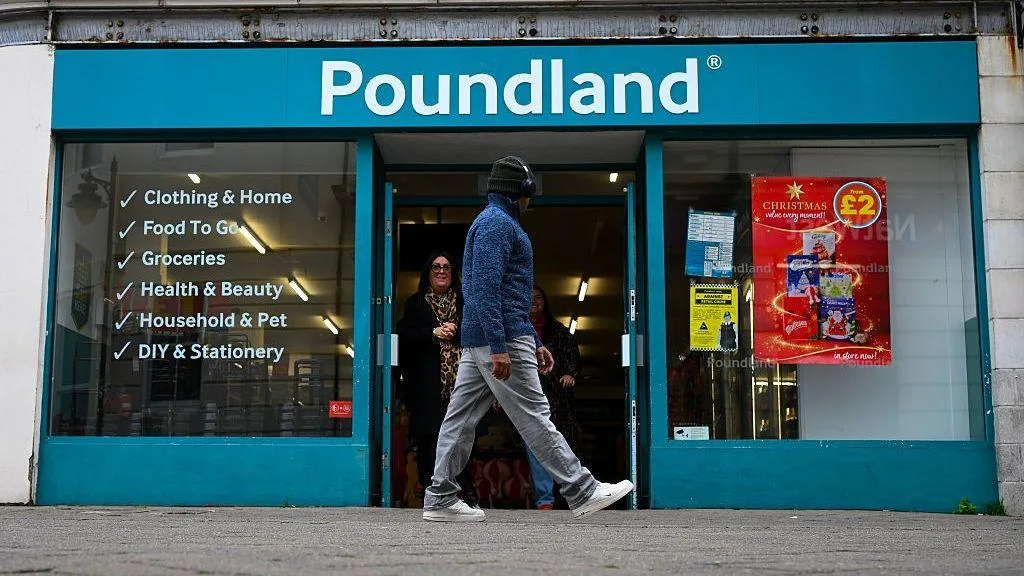 Image: BBC News Download
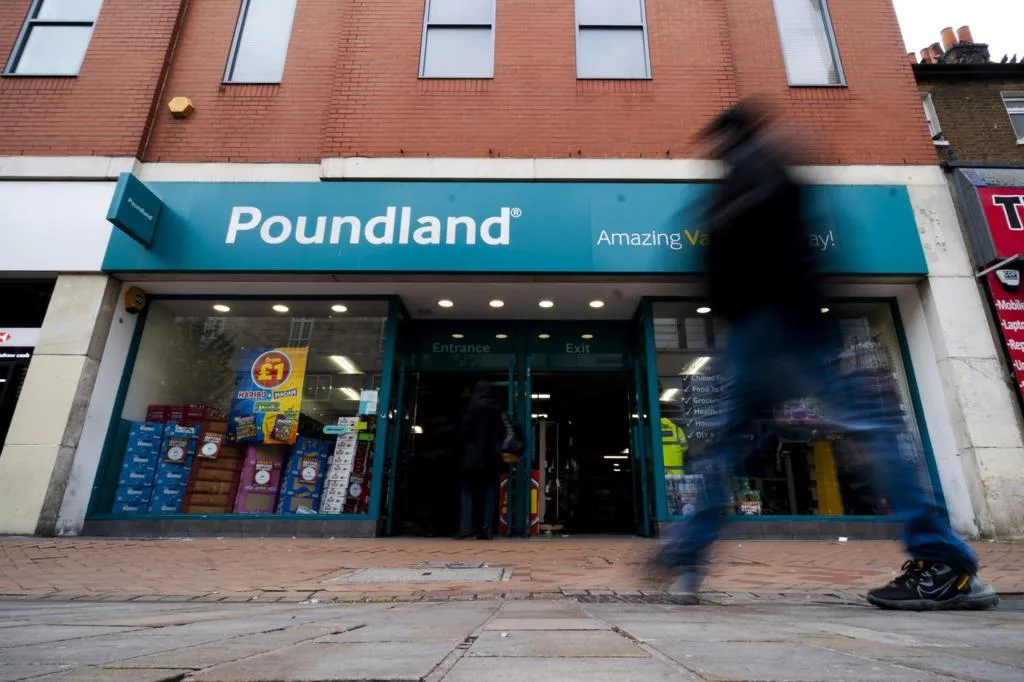
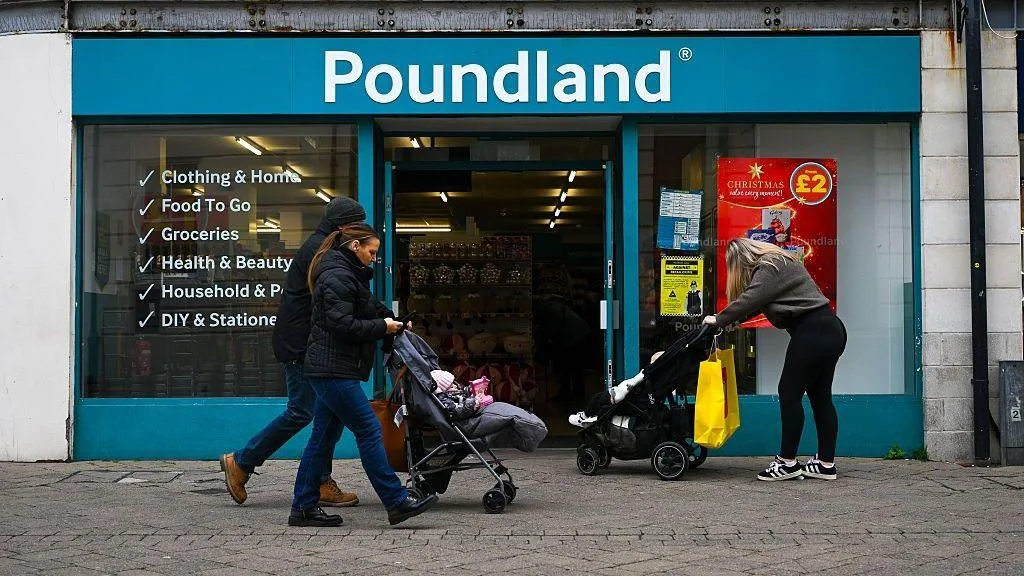
Poundland, the UK discount chain with around 800 stores, was placed into administration on 26 November 2026, according to BBC News. The move puts the future of the business, its 11,000 employees and its supply chain at risk just weeks before the Christmas trading period.
Administration and possible sale routes
Alix Partners has been appointed to manage the sale of part or all of the company. Administrators are weighing two main options: selling Poundland as a whole or breaking it up into separate assets. The latter is described as the more likely outcome.
Before the collapse, Fortress, the owner of Poundstretcher, had expressed interest in acquiring roughly 200 stores and keeping the Poundland brand on those locations. At present, Fortress’s intentions remain unclear.
A source close to Martin Property Group, a bidder when Poundland was still operating, said the firm is unlikely to submit a fresh offer because the administration process has caused "irreparable harm" to the brand.
Impact on staff, suppliers and shoppers
The administrators have unlocked about £70 million that Gordon Brothers had previously frozen, allowing staff wages and supplier payments to continue in the short term. However, the legal duty to maximise returns for secured creditors means Gordon Brothers sits at the front of the repayment queue.
If the business is split, new owners would not be obligated to retain existing employees. The United Kingdom’s trade union Usdaw claims the owners forced Poundland into administration, while Gordon Brothers argues the retailer was not profitable and repeatedly missed budget forecasts.
In a statement, a Gordon Brothers spokeswoman noted that cost reductions of £100 million had moved the company from a £70 million loss to "around break‑even" on paper, but emphasized that break‑even does not generate the cash needed for stock, investment and resilience to economic pressure.
For consumers, the immediate effect is limited. Stores remain open and stocked items can still be purchased. Refunds for items returned out of change of mind will no longer be offered from 26 November, though faulty goods will still be refunded.
Political and industry reaction
Labour MP Antonia Bance described the conduct of Gordon Brothers as "pretty appalled" and suggested the firm would profit more by dismantling the business than by keeping it operating.
Wes Streeting, the defence secretary, warned that the disappearance of Poundland from the high street would reduce discount options for shoppers facing cost‑of‑living pressures.
Julie Palmer, managing partner at insolvency firm Begbies Traynor, said the collapse seemed inevitable given broader retail challenges such as rising staff costs. She predicted further retail failures across the sector.
What happens next
- Administrators will continue to run stores while assessing the best value for secured creditors.
- If a breakup delivers higher returns, the brand and individual stores may be sold separately, potentially to competitors.
- Should a buyer acquire the whole chain, the new owner would inherit the existing lease agreements and staff contracts.
- In the absence of a buyer, stores could be closed, leading to job losses and reduced high‑street discount options.
Stakeholders, including employees, suppliers and shoppers, will have to wait for the outcome of the sale process, which could shape the discount retail landscape in the UK for years to come.
Further reading
For more context on this story, explore these trusted outlets.