 N

Trending: Oyo Governor Seyi Makinde Rejects Nepotism in Government Jobs Hottest news
The governor says his children will not work in public offices and urges others to follow suit ahead of the 2027 elections.
 Image: Punch Newspapers Download
Oyo State Governor Seyi Makinde, the Allied Peoples Movement’s presidential hopeful, told his followers on Monday that he’s against the habit of politicians’ kids sliding into government jobs. He dropped the line in an 87‑second clip he uploaded to X, filmed while he chatted on The Rooftop from a modest office where a map of Ibadan hangs on the wall.
Personal stance on family involvement in public service
Makinde said his own children prefer quiet lives, wanting to give back without leaning on a state appointment. “None of my kids show up in any state office,” he added, smiling.
“Of course I am. That’s why you can’t see any of my children, you know, around the government offices,”
When pressed on whether it’s right for powerful families to plant their heirs in such roles, the governor didn’t waver: “No, I am totally, totally opposed to it.” He challenged anyone who thinks they can spot his offspring in Oyo to step forward, insisting they’re carving out their own routes.
He framed his parenting as guidance and support, noting that the values he instilled will steer them wherever they land. He would back them if they independently chose a political career, but he would not encourage that direction.
“No, I won’t advise them to go into politics, but if they choose politics, I will support them,”
Broader context: political dynasties ahead of 2027 elections
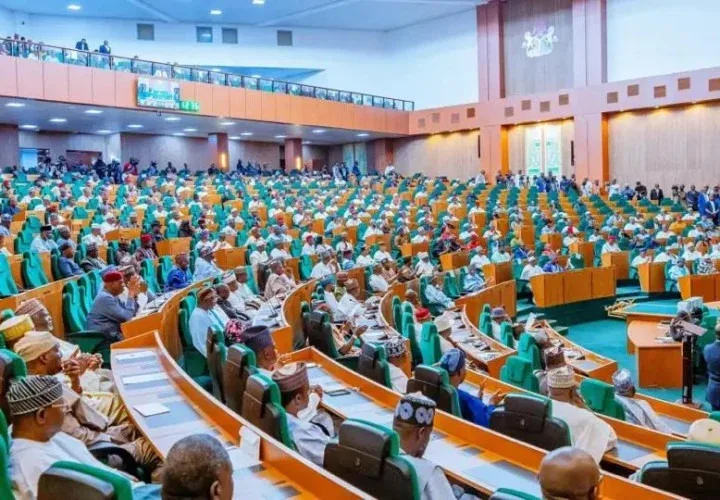
The governor’s remarks land as the country re‑examines political dynasties. A September Punch Newspapers report, citing the International Centre for Investigative Reporting, named several heirs of former presidents and governors, Iyabo Obasanjo, Yusuf Buhari, Bello El‑Rufai and Erhiatake Ibori‑Suenu, who are eyeing or defending seats in the National Assembly for the 2027 polls.
Punch has repeatedly shown how relatives of influential politicians dominate legislative benches, suggesting a trend that stretches beyond any single election. Makinde’s stance therefore injects a personal voice into a national debate over merit, representation and the concentration of power within families.
What happens next
As the 2027 calendar ticks down, the spotlight on political heirs won’t dim. Watch for parties to draft formal rules that curb nepotistic appointments and for voters to decide if a family name helps or hurts a candidate. Makinde’s public opposition could nudge other office‑holders to rethink placing their children in government corridors.
Further reading
For more context on this story, explore these trusted outlets.