 N

Trending: Nigerian lawmakers push for safer river transport after Bayelsa boat disaster Hottest news
The House of Representatives demands stricter safety rules, compulsory life jackets and subsidised modern boats following a capsizing that killed 29 people in Bayelsa State.
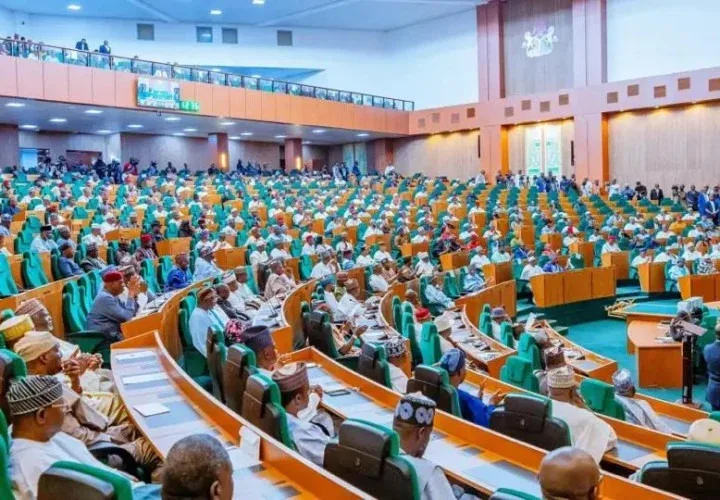 Image: Punch Newspapers Download
The House of Representatives on Tuesday called for safer boats, mandatory life jackets and tighter enforcement of water‑transport standards after a boat capsized on November 20, 2026, in Bayelsa State, killing 29 people, including two children. The motion was moved by Rodney Ambaiowei of Southern Ijaw Federal Constituency during a plenary session.
Details of the Bayelsa boat tragedy
According to Punch Newspapers, more than 150 passengers, mostly residents of Southern Ijaw, were on board the vessel traveling from Ayama community to Ukubie for a condolence visit. The boat overturned at the river junction between Oweikorogha and Otuan, throwing everyone into the water. Rescue efforts began immediately, involving the Bayelsa State Government, security agencies and other relevant bodies.
By November 22, officials reported that 51 survivors had been rescued with varying injuries, while 29 victims, among them two children, were confirmed dead. The rescued were taken to medical facilities in Southern Ijaw Local Government Area and hospitals in Yenagoa. Search operations continued for missing persons.
Legislative response and demands
Ambaiowei highlighted the poor condition of boats used in riverine areas, describing many as old, overworked and frequently overloaded because of scarcity. He also noted the widespread lack of life jackets and other safety equipment, despite waterways being the main transport mode for many communities.
Lawmakers urged the federal government to intensify rescue operations, provide relief materials and introduce subsidised modern boats to lower the risk of similar incidents. The House Minority Leader, Fred Agbedi, called the tragedy an opportunity to address long‑standing neglect of riverine communities. He said, "This incident brings to the fore what people in riverine communities are suffering." He added, "If the government provides modern vessels for transportation at subsidised rates, as it does with mass transit and CNG buses, I am sure incidents like this could be prevented."
Representative Shina Oyedeji described the accident as a wake‑up call for authorities to strengthen regulation of transport operations. He questioned the training and certification of boat operators, urging proper inspection of vessels. Oyedeji warned against adopting foreign practices without suitable standards, stating, "Safety standards must be taken seriously in Nigeria."
The Deputy Majority Whip, Isiaka Ibrahim, said responsibility for inland‑water safety rests with both federal and state governments, noting that creeks and offshore waters fall on the concurrent legislative list. He called for an investigation into the accident and suggested that safety measures used by multinational companies in offshore waters could serve as a benchmark.
Calls for broader transport reforms
Lawmakers argued that government interventions have largely focused on road transport, leaving riverine residents dependent on unsafe vessels. They urged the inclusion of modern boats in future transportation budgets and policies, similar to the federal rollout of Compressed Natural Gas (CNG) buses for road travel.
President Bola Tinubu sent Vice‑President Kashim Shettima to the affected communities to offer condolences, and the federal government pledged a donation of ₦250 million to victims. Ambaiowei warned that inadequate response from the National Emergency Management Agency and other bodies could deepen the hardship faced by families.
What happens next
- Parliamentary committees are expected to review water‑transport safety standards and propose legislative amendments.
- The federal budget may be adjusted to fund subsidised modern boats for riverine areas.
- Further investigations will examine the certification of boat operators and the condition of vessels used in the region.
Further reading
For more context on this story, explore these trusted outlets.