 N

Trending: Israeli leaders meet to negotiate unity government after election stalemate Hottest news
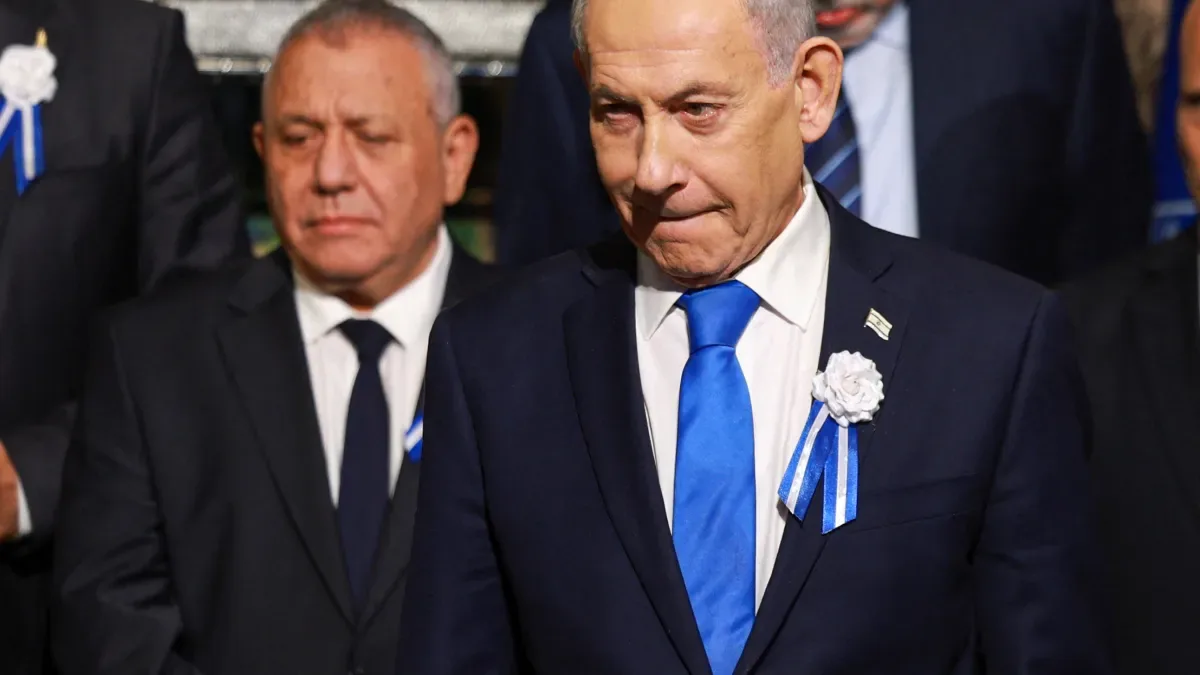
Netanyahu and Eisenkot hold talks on Sunday as both blocs seek a coalition before the Dec. 6 deadline.
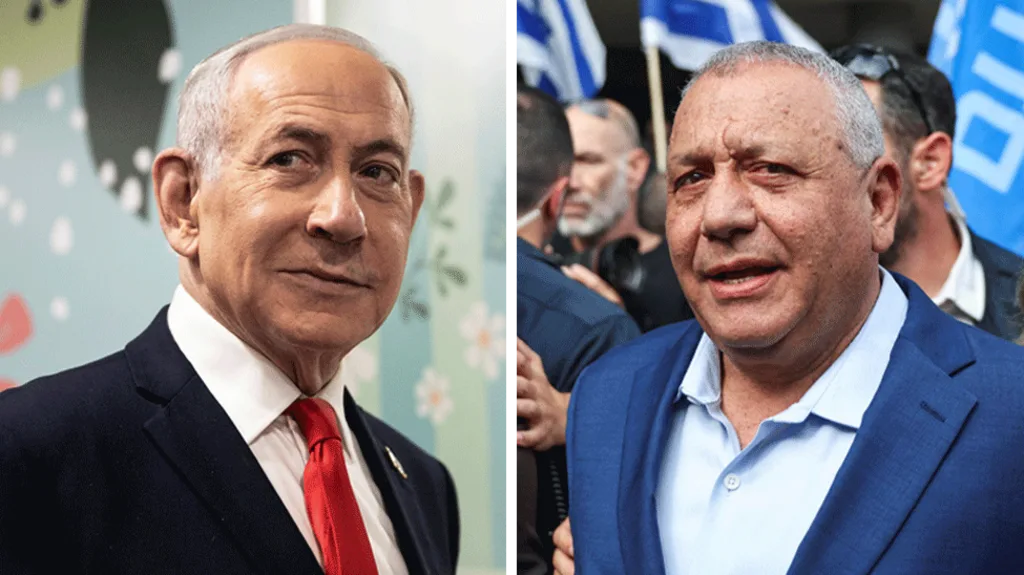 Image: BBC News Download
Israel's caretaker prime minister Benjamin Netanyahu and opposition leader Gadi Eisenkot will sit down Sunday morning in Jerusalem to try to end the stalemate that followed October’s election.
Election results leave Knesset without a clear majority
BBC News reports that Eisenkot’s centrist Yashar party teamed up with three other Jewish opposition groups to claim 48 of the Knesset’s 120 seats. Netanyahu’s Likud bloc secured 53 seats, leaving both camps shy of the 61‑seat threshold needed to govern. The vote also produced a historic 19 seats for two Arab‑led alliances, the United Arab List and the Joint List, after Arab voter turnout surged to 58 percent.
Every Jewish party except one pledged before the poll not to work with the Arab blocs, effectively sidelining their king‑maker potential.
Proposals for a rotating national unity government
On Saturday, Netanyahu took to social media and said he would let Eisenkot serve as prime minister first, suggesting a rotating national unity cabinet. “My responsibility as a leader obligates me to put everything aside, including the principle of the largest party,” he wrote, adding that he would start as an “alternate prime minister.”
Eisenkot, a former army chief, answered by inviting Netanyahu to “genuine and accelerated negotiations.” He warned he would gauge Likud’s seriousness within 24 hours, stating, “If Likud is ready for genuine unity, I am ready to assess the seriousness of its intentions over the next 24 hours.”
The Yashar leader said talks would focus on a detailed proposal he sent to Netanyahu last Sunday, and noted, “to this very moment, we have received no response.”
In the past few days, Eisenkot sealed coalition pacts with the Yisrael Beiteinu party and The Democrats. The fourth member of his bloc, the Beyachad party led by former prime minister Naftali Bennett, voiced support for a unity deal that would put Eisenkot in the premier’s chair first. Bennett praised Netanyahu’s willingness to join, calling it “a government based on an alliance of those who serve.”
Arab parties and the prospect of broader inclusion
In a Channel 12 interview, Mansour Abbas, head of the moderate Islamist Raam party, announced his party now labels Hamas a “terror group” and voted for a bill to that effect. Abbas hinted that this shift could pave the way for Raam to join a coalition that would oust Netanyahu.
President Isaac Herzog, after consulting every party post‑election, gave Eisenkot a 28‑day window to form a government, setting the deadline for December 6. Eisenkot has less than a week left to meet that target.
What happens next
- Netanyahu and Eisenkot will talk Sunday; any deal must be sealed before the Dec. 6 deadline.
- If a rotating unity government is approved, Likud will lead the first half of the term, then Eisenkot will take over as premier.
- The Arab alliances could become decisive partners if Jewish parties break their pre‑election pledge not to work with them.
- Failure to strike a deal could trigger another election, extending the current political limbo.
Further reading
For more context on this story, explore these trusted outlets.