 N

Trending: China reaffirms reunification goal after DPP gains in Taiwan local elections Hottest news
Beijing says Taiwan's internal politics will not alter its push for reunification following the Democratic Progressive Party's strong showing in recent polls.
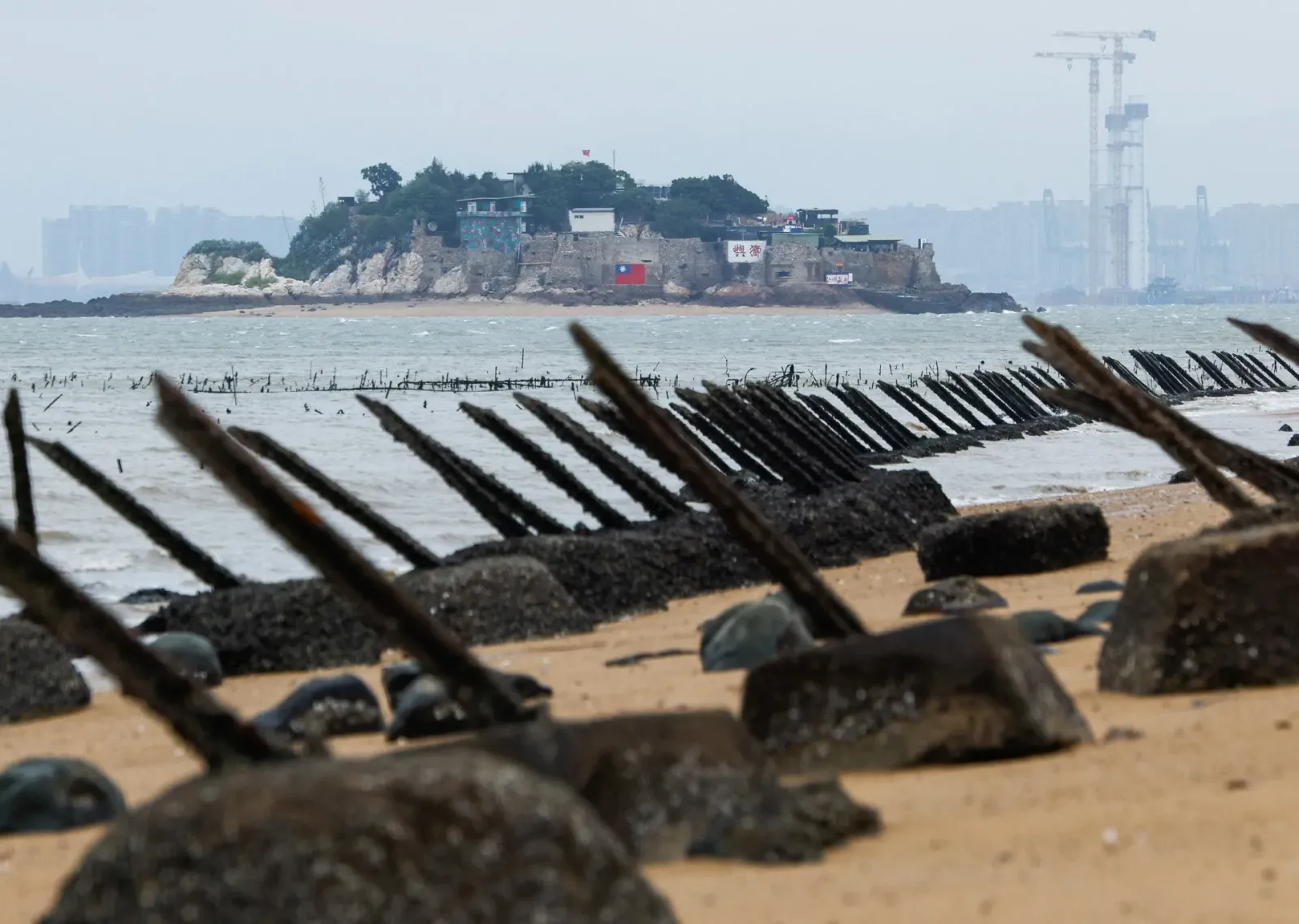 Image: Al Jazeera Download
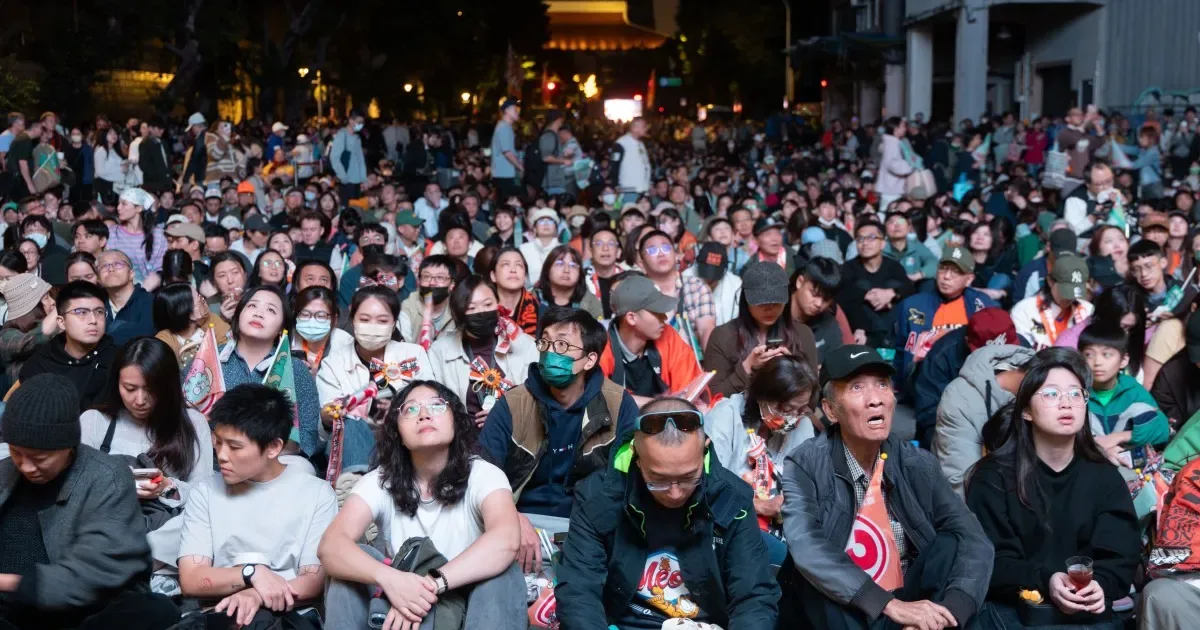
On Sunday, November 29, 2026, China reminded the world it still wants Taiwan back after the island’s Democratic Progressive Party (DPP) swept a surprising number of mayoral and county seats in Saturday’s local elections.
Election outcomes and party performance
The DPP captured 10 of the 22 contested leadership spots, a clean‑cut double of its 2022 haul and the strongest showing in ten years, according to Al Jazeera. In Taichung, Taiwan’s second‑largest city, DPP legislator Ho Hsin‑chun edged out Kuomintang (KMT) heavyweight Johnny Chiang by just 3,200 votes. Meanwhile, the KMT clung to Taipei, where incumbent mayor Chiang Wan‑an fended off DPP challenger Puma Shen, a legislator listed on a Chinese police wanted notice for alleged separatist activity.
Analysts say voters cared more about housing prices, traffic jams and pension reforms than cross‑strait tension, yet the results could foreshadow the mood heading into the 2028 presidential race.
Beijing's official response
China’s Taiwan Affairs Office issued a terse statement noting the election results and claiming that “mainstream opinion in Taiwan favors peace, development and cooperation across the strait.” The office added that internal political shifts on the island cannot change the trajectory of cross‑strait exchanges. In a short excerpt, it declared,
No matter how the internal political situation, the goal of national reunification remains unchanged.
Beijing vowed to “firmly crack down on Taiwan independence separatist forces, oppose external interference and advance the great cause of national reunification,” echoing a policy line it has repeated for years. The statement warned that any move toward formal independence would trigger decisive action.
Taiwan's security posture and diplomatic stance
After the vote, Taiwan’s Mainland Affairs Council urged Beijing to take a pragmatic view of the outcome and open dialogue with the democratically elected government. President William Lai Ching‑te, who also chairs the DPP, stressed that the island’s future belongs to its people.
The Defence Ministry logged a spike in Chinese military activity around the island. From 6 a.m. Friday (22:00 GMT Thursday) to 6 a.m. Saturday (22:00 GMT Friday) it counted 33 Chinese aircraft, eight naval vessels and four official ships operating near Taiwan. A prior report labeled the surge a “joint combat readiness patrol.” China has kept up regular exercises near the island for several years and still refuses direct talks with President Lai, whom Beijing brands a separatist.
What happens next
- Taiwan’s Mainland Affairs Council will push for practical engagement with Beijing, favouring dialogue over confrontation.
- The DPP’s gains could steer policy as the 2028 presidential race approaches.
- China is likely to keep up military pressure and diplomatic warnings while watching Taiwan’s political landscape.
Both sides stay entrenched: Beijing still claims Taiwan as its own territory and has not ruled out force, while Taipei rejects the sovereignty claim and insists on self‑determination.
Further reading
For more context on this story, explore these trusted outlets.