 N

Trending: Music Gear Makers Turn to Open Source Amid AI Modding Surge Hottest news
Companies from Akai to Behringer are releasing open‑source tools as AI‑driven firmware hacks reshape the synth market.
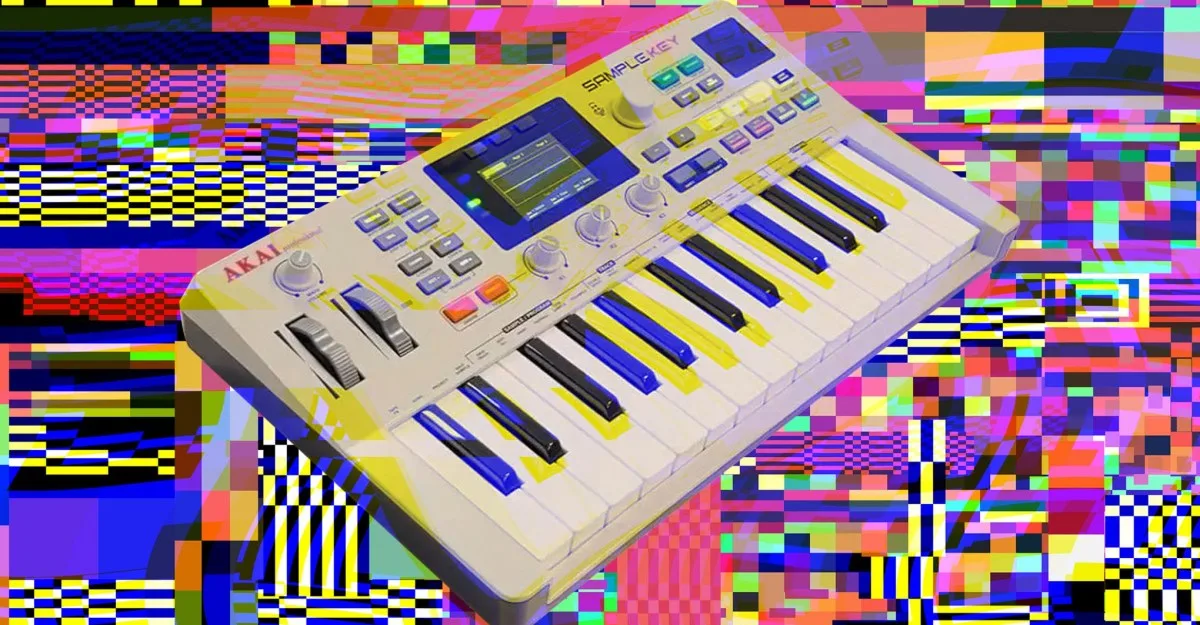 Image: The Verge Download
In the past few weeks, major music equipment manufacturers have begun publishing open‑source software and development kits for their products, a shift prompted by the rapid spread of AI‑assisted "vibe coding" tools such as Reverse Engineer Anything. The trend, reported on November 25, 2026, reflects a growing need to accommodate a community of hobbyists and professional producers who are modifying gear that was once considered closed. Companies across Europe, the United States and Asia are adjusting their strategies as no device appears immune to the new wave of custom firmware.
Industry response to AI‑driven hacking
According to The Verge, the emergence of powerful vibe‑coding agents has created a sense of urgency among manufacturers. While Roland has remained silent, other brands have chosen to engage directly with the modding community. inMusic, the parent of Akai, Moog and Native Instruments, announced a toolbox that will expose the inner workings of devices such as the MPC and Sample series. CEO Jack O’Donnell told the outlet that the company will provide a reset function so users can experiment without losing existing settings.
Akai, a subsidiary of inMusic, is attempting to balance openness with the reliability demanded by professional users. O’Donnell said the firm will "try to give them a reset button" to allow safe experimentation. The approach mirrors a broader industry pattern where firms release software development kits (SDKs) and open‑source firmware alongside traditional products.
Behringer has moved quickly, announcing a range of open‑source hardware in a matter of weeks. The lineup includes a $150 clone of the MPC One called Kick, a replica of the E‑mu SP‑1200, the Anima DJ controller, the Ignite sequencer and the Polykeys 61 MIDI controller. Launch dates for these items have not been disclosed.
Open‑source projects gaining traction
M‑Vave’s FM‑1, a $70 pocket synth that emulates the classic Yamaha DX7, became a catalyst for the movement. The device’s hackability led to more than a dozen community‑created firmwares. In response, M‑Vave released its own open‑source firmware and confirmed that a successor, the FM‑2, is under development and will also be open source.
Erica Synths made its LXR‑02 drum machine code publicly available, though founder Ģirts Ozoliņš expressed uncertainty about the long‑term value of vibe coding. He noted that inventions succeed when they solve fundamental problems, and he remains skeptical about the specific benefits of the new approach. Nonetheless, he highlighted a potential sustainability angle, suggesting that a single device could replace multiple plastic boxes, even if the environmental impact of data centers remains a concern.
Polyend has opened the source code for its Tracker grooveboxes, extending a policy that began with the Endless guitar pedal, which already allowed users to code their own effects. The Polish company sees AI‑enabled tinkering as a natural evolution of its product line.
Mixed reactions and cautious stances
Elektron has taken a more guarded position. The company removed links to custom firmware from its official forums and warned that modifications could brick devices, void warranties or block future updates. Yet CPO Christian Alsing told YouTuber EZBOT that the company respects the right of users to modify gear, citing the Sidstation as an early example of community involvement. He rejected accusations that Elektron is withholding features, a charge previously leveled at Akai.
Other major manufacturers, including Roland, Korg, Arturia and Novation, have not commented publicly on the surge of AI‑assisted firmware hacks. Their silence leaves the broader market’s direction uncertain as the modding community continues to grow.
What happens next
The open‑source momentum appears set to continue. M‑Vave confirmed development of the FM‑2, and inMusic plans to release SDKs for additional products. Behringer’s announced devices suggest a pipeline of open‑source hardware, though exact release timelines remain unknown. As more companies publish toolkits, the balance between protecting proprietary technology and fostering community innovation will likely shape the next phase of music gear design.
Further reading
For more context on this story, explore these trusted outlets.