 N

Trending: Lagos government asks banks and eateries to open restrooms to public Hottest news
State officials call on private venues to share toilet facilities as part of a drive toward an Open Defecation‑Free Lagos.
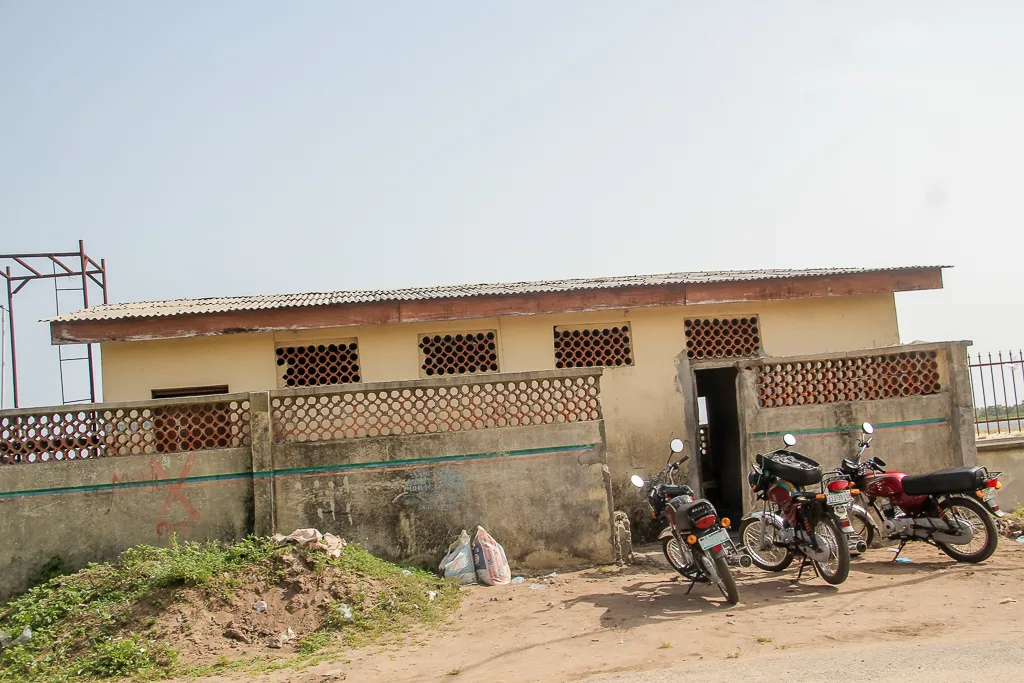 Photo: Kaizenify (CC BY-SA 4.0) via Wikimedia Commons Download
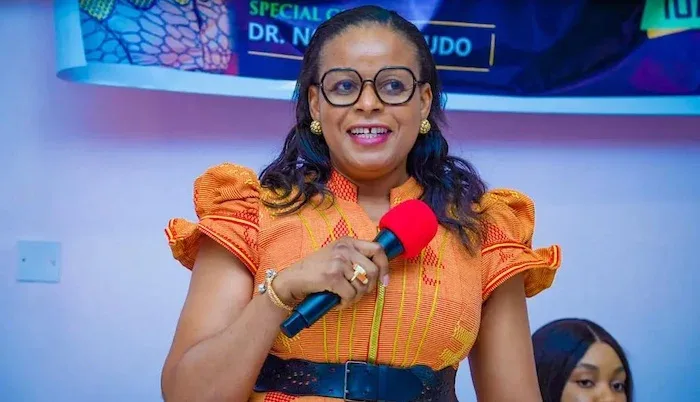
On Saturday, the Lagos State Government took the floor at ASSBIFI House in Alausa, where Special Adviser on Environment Olakunle Rotimi‑Akodu urged banks, restaurants and fuel stations to open their restrooms to the public for the 2026 World Toilet Day ceremony.
Private sector partnership urged
The Ministry of the Environment and Water Resources released a statement that Director of Public Affairs Kunle Adeshina read aloud. He said the governor’s team wants commercial sites, think of the bank on Ikorodu Road, the fast‑food joint on Oregun Expressway, the petrol station at Iyana‑Isolo, to let anyone use their toilets. “These partnerships will back government efforts and widen access to decent toilet facilities in busy urban communities,” the adviser was quoted saying.
Gender equality at the core of the push
Talking about the theme “Sanitation and Gender Equality,” Rotimi‑Akodu reminded the crowd that a clean, safe toilet isn’t just a building block; it’s a shield. He pointed to teenage girls in Alimos market who dread walking home after class because they can’t find a private place to change, and to women in Lagos University who miss lectures when their campus restrooms are filthy. The lack of private, clean toilets in schools, markets, bus terminals and health centres, he warned, dents women’s confidence, drags down school attendance and hurts the city’s productivity.
He drove the point home: real gender equality can’t happen while women scramble for a safe place to relieve themselves.
Progress towards an Open Defecation‑Free Lagos
Officials say Lagos already runs 1,769 functional public toilets. The next wave of construction will drop another 200 public toilets, 80 full‑service bathrooms, 100 urinals and 160 hand‑washing basins into the five administrative divisions, think of a new facility at the bustling Mile 2 market and another at the bustling Apapa port.
Rotimi‑Akodu also laid out the standards every public toilet must hit: solid locks, proper lighting, spotless floors and gender‑responsive design. He stressed extra care for women, children, seniors and people with disabilities.
"Genuine gender equality cannot be achieved without addressing the structural inequalities that limit access to adequate sanitation," the adviser said.
As Lagos swells with new residents and traffic, the plea to private venues arrives at a critical moment. By sharing their facilities, banks and eateries can plug the gaps in the public network and push the city closer to health, dignity and inclusive development.
Further reading
For more context on this story, explore these trusted outlets.