 N

Trending: Kwara State launches five‑year plan to curb malnutrition Hottest news
New strategy targets social and cultural drivers of poor nutrition among women and children.
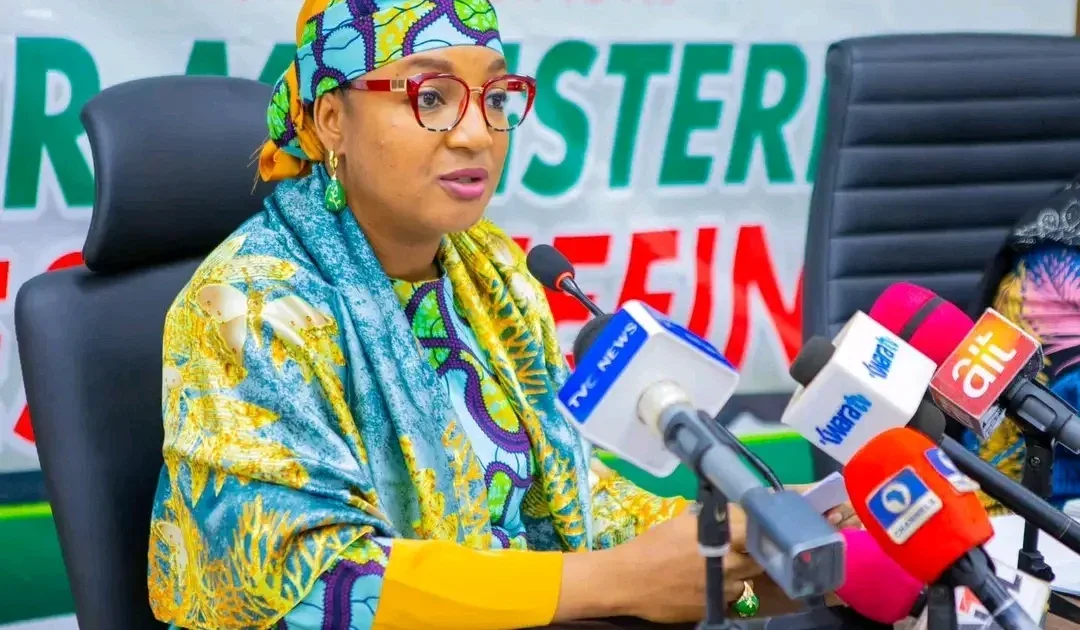 Image: Punch Newspapers Download
The Kwara State government unveiled a five‑year nutrition strategy on Tuesday, aiming to address the social, cultural and behavioural drivers of malnutrition in the Nigerian state, according to Punch Newspapers.
Key components of the strategy
The State Social and Behavioural Change Strategy for Nutrition Across the Life Cycle was presented at a dissemination meeting held at the Ministry of Health headquarters. Attendees included representatives from UNICEF, various government ministries, religious bodies and civil‑society organisations.
Commissioner for Health Amina El‑Imam stressed that tackling malnutrition requires more than health services and food aid. She highlighted that gaps in nutrition knowledge, harmful traditional beliefs, inadequate diets, gender norms, low health‑seeking behaviour and weak community participation are major obstacles.
"Poor nutritional knowledge, harmful traditional beliefs, inadequate dietary practices, gender norms, poor health‑seeking behaviour and weak community engagement remain major contributors to malnutrition,"
The framework, developed with financial and technical support from UNICEF, has been domesticated, costed and validated to match national guidelines. It proposes a mix of strategic communication, advocacy, community mobilisation, social‑norm change and stronger cross‑sector collaboration.
Specific interventions cited include nutrition promotion campaigns, dietary diversification, micronutrient supplementation, distribution of oral rehydration salts and zinc at primary health centres, and the provision of Ready‑to‑Use Therapeutic Food through the Child Nutrition Fund.
Progress reported and future steps
Data from the Mini Nigeria Demographic and Health Survey 2025/26 show a decline in stunting from 40.8 % to 35.5 %, wasting from 6.1 % to 3.5 % and underweight rates from 24.5 % to 14.8 % in Kwara. El‑Imam attributed these gains to sustained government commitment, the Accelerating Nutrition Results in Nigeria 1.0 programme, and the interventions listed above.
Mohammed Ibrahim, Acting Chairman of the State Committee on Food and Nutrition, confirmed that the state contributed N100 million to the Child Nutrition Fund, which UNICEF matched to purchase 3,964 cartons of Ready‑to‑Use Therapeutic Food. He also called for six‑month paid maternity leave and continued investment in primary health care to improve maternal and child nutrition.
Dr Habib Abayomi Lawal, the Ministry’s Nutrition Focal Person, praised the multisectoral committee for its role in improving nutrition outcomes and urged continued collaboration to ensure the strategy’s success.
The commissioner appealed to ministries, development partners, religious and traditional leaders, the media and community groups to back the transition to the next phase of the programme, known as ANRiN 2.0. She emphasized that collective action is essential to sustain the downward trend in malnutrition indicators.
What happens next
Implementation will focus on scaling up community‑level education, strengthening supply chains for micronutrient supplements, and expanding the reach of therapeutic foods. Stakeholders are expected to formalise budgetary allocations and enhance multisectoral coordination to accelerate improvements in nutrition indices across the state.
Further reading
For more context on this story, explore these trusted outlets.