 N

Trending: Kaduna State reviews medical supply chain to boost delivery efficiency Hottest news
Quarterly performance review aims to tighten distribution of medicines and vaccines across more than 1,000 health facilities.
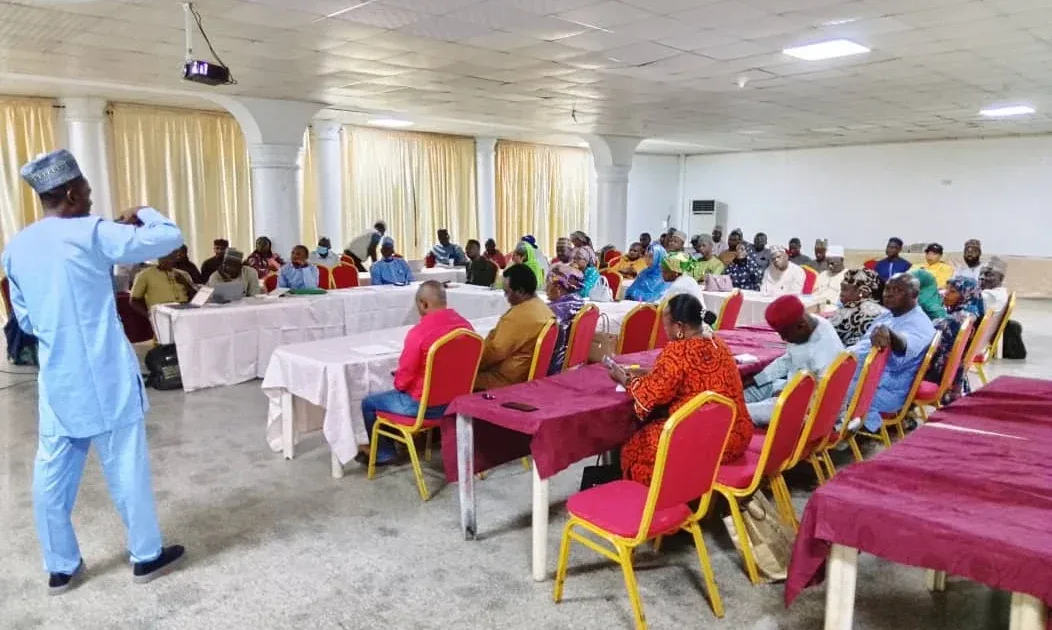 Image: Punch Newspapers Download
The Kaduna State Health Supplies Management Agency (KADHSMA), together with Capacity for Sustainable Development (C4SD), held a joint review meeting on Wednesday, 25 November 2026 in Kaduna to examine the performance of the state’s medical supply chain.
Data‑to‑Action review process
The session, branded “Data to Action”, focused on turning supply‑chain data into concrete decisions that can speed the delivery of essential medicines, family‑planning items, nutrition commodities and vaccines. Executive Secretary Aisha Tukur explained that the agency’s remit includes buying, storing and moving medical products, including donor‑provided commodities, to health facilities through an integrated Last‑Mile Distribution system. She said the quarterly review offers a chance to gauge how well the agency meets its cost‑recovery targets, monitors usage of supplies and ensures facilities operate effectively.
“We put all of them together and deliver to the facilities. So we kind of look at ourselves and see how we have managed to distribute, warehouse first of all, and then distribute these products at the minimum cost available,”
According to Punch Newspapers, the meeting gathered officials from the state Ministry of Health, the Primary Health Care Board, the Planning and Budget department, development partners and civil‑society groups. Participants examined data from July to September 2026, identified gaps and agreed on practical steps to close them.
Challenges and innovations
Director of Health Supplies Nafisatu Abubakar highlighted recurring obstacles such as weak network connectivity, insecurity and the difficulty of reaching remote clinics, which sometimes delay data transmission. Despite these hurdles, she praised health workers for consistently generating information through routine activities.
One notable innovation mentioned was the use of drones to transport vaccines and essential medicines to hard‑to‑reach locations, including areas around Pambegua. The approach aims to shorten delivery times and reduce reliance on road transport that can be disrupted by security concerns.
Consultant Taiwo Peter of the Kaizen Institute urged stakeholders to move beyond data collection toward implementing specific actions that improve commodity availability. He stressed that the review’s purpose was to pinpoint adjustments required from each partner.
Issues raised included irregular supply deliveries, banking constraints, low patient patronage and doubts about the reliability of data submitted by facilities. The Director of Pharmaceutical Services, Peter Dawa, described the Drug Revolving Fund (DRF) scheme as a business‑oriented model that allows facilities to purchase medicines from KADHSMA, sell them to patients and return the capital to keep the supply chain flowing.
“It’s business-oriented, though, even though it has the public interest at heart,”
Dawa added that medicines sourced directly from manufacturers undergo strict quality checks, and that the DRF Steering Committee, chaired by Commissioner for Health Hajiya Umma Ahmad, provides high‑level oversight to ensure compliance.
What happens next
The C4SD team lead, Edmond Dambu, confirmed that the next performance review is slated for January 2027, after the fourth‑quarter data (October to December 2026) are collected and analysed. The regular review mechanism is intended to give stakeholders a clear view of progress and trigger corrective actions where needed.
Further reading
For more context on this story, explore these trusted outlets.