 N

Trending: Fossil Fuel Language Sparks Stalemate at COP31 in Turkey Hottest news
Negotiators clash over fossil fuel references as the Antalya Accords near finalisation.
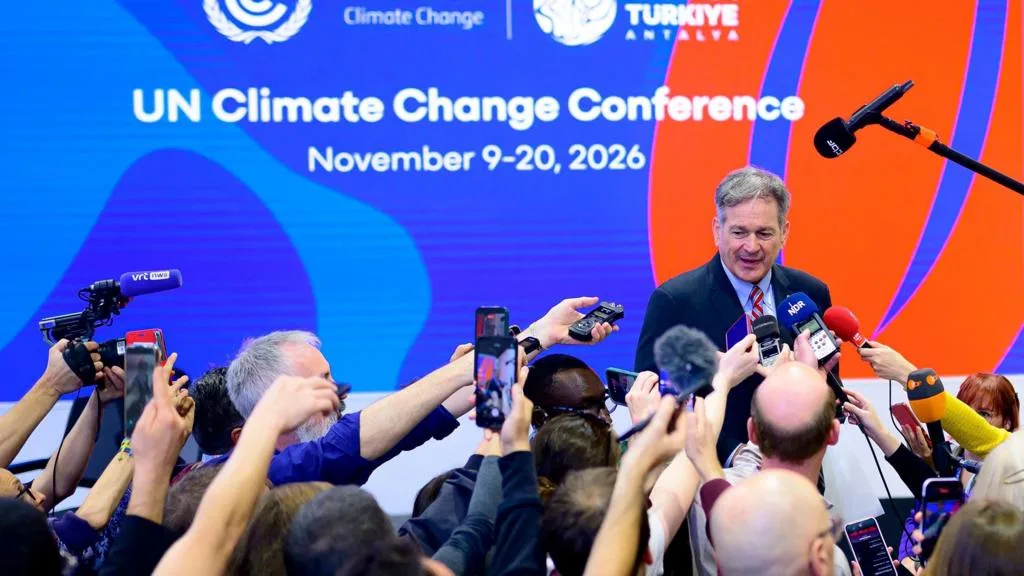 Image: BBC News Download
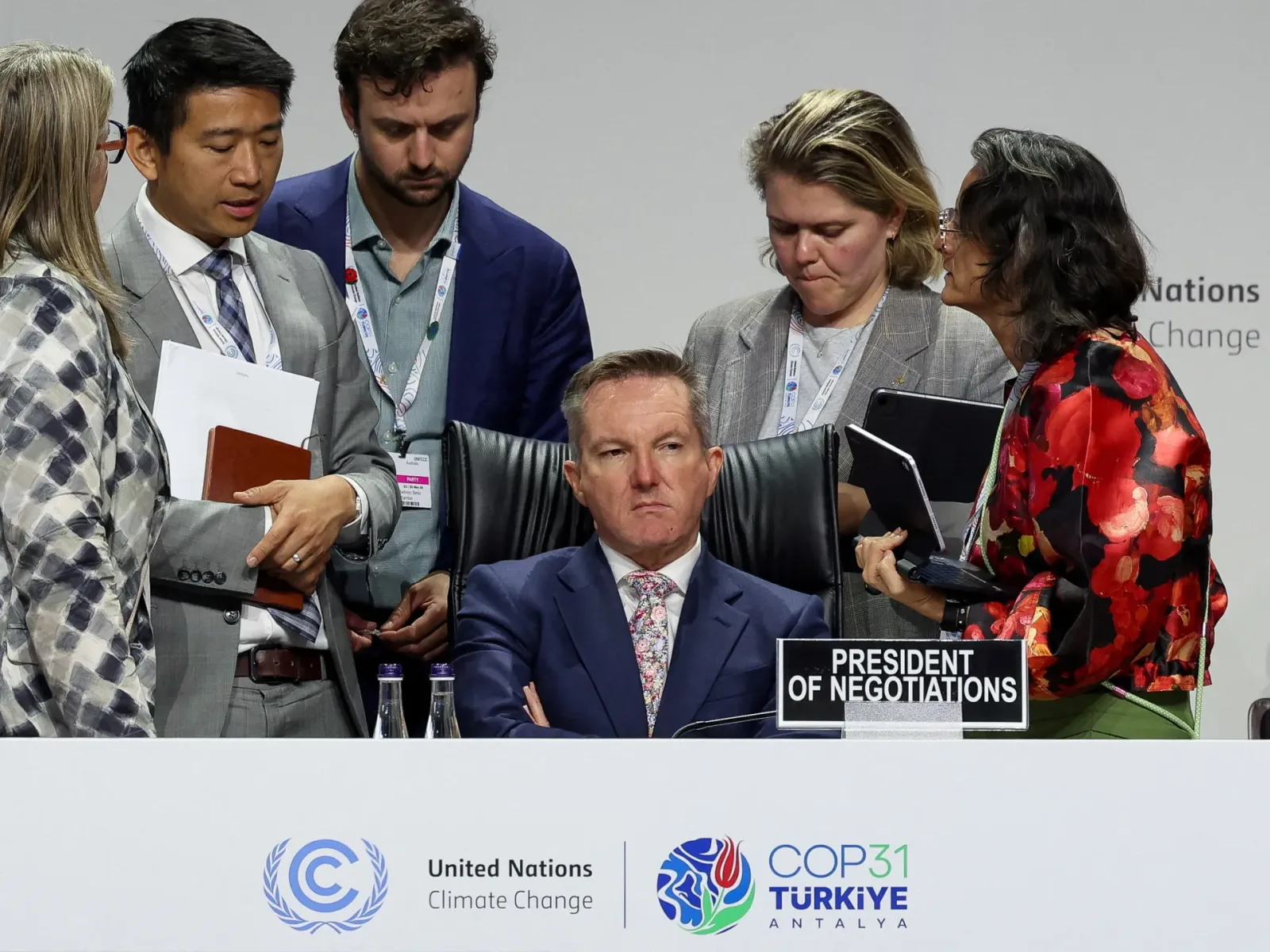
Friday night in Antalya, Turkey, the UN climate summit COP31 stalled. Delegates couldn’t agree on a new global pact because they clashed over whether the text should name the need to curb fossil fuel demand. The deadlock dragged into Saturday, with France, Panama and a handful of European nations pushing for tougher language while oil‑rich states like Saudi Arabia pushed back.
Fossil fuel clause becomes flashpoint
BBC News reports that a bloc led by France and Panama lodged a formal objection to a draft that left out any mention of cutting oil, gas or coal use. Panama’s environment minister, Juan Carlos Navarro, warned, “It is not acceptable to have a COP or a cover decision that does not even mention fossil fuels and we simply will not put up with it.” French Minister of Ecological Transition Monique Barbut echoed him, calling the carbon‑capture sections a “license for continued fossil fuel use.” She added, “We cannot be announcing to the world that we are now getting to a 1.5‑degree increase in temperature and do business like nothing was happening.”
The call for explicit fossil‑fuel language reflects rising frustration among vulnerable nations. The Africa Group, chaired by Ghana’s environment minister Zanetor Agyeman Rawlings, argued that adaptation finance remains a critical gap. “We did not come here to beg, we came here to claim what is rightfully ours for our people who are suffering the brunt of anthropogenic activities of developed countries,” Rawlings told reporters.
Negotiation dynamics and competing proposals
Australian climate‑change and energy minister Chris Bowen, who heads the negotiation team, countered the fossil‑fuel push by stressing clean‑energy pathways. He urged the summit to focus on shifting to renewables rather than polishing the wording of fossil‑fuel commitments.
One compromise on the table would keep the word “fossil” out of the final document in exchange for pledges from Saudi Arabia and other petro‑states to generate at least 35 percent of their electricity from renewable or low‑carbon sources by 2035. The idea is to lock in oil exporters’ participation while sidestepping a direct phase‑out reference.
Adaptation finance remains a sore point. Earlier drafts promised to boost adaptation funding to $120 billion by 2035, but the clause vanished from the latest version. The African bloc warned that without new money, the deal would fail to address the continent’s disproportionate climate impacts.
What happens next
The BBC says a potentially final version of the Antalya Accords is due on Saturday. If the text goes out without the disputed language, the coalition demanding explicit fossil‑fuel references will likely launch another diplomatic offensive. If the language stays, oil‑producing countries have already signalled they won’t sign a document that threatens their core industries.
All eyes are on the outcome, because it will shape the direction of international climate policy ahead of the next UNFCCC conference, where nations plan to tighten implementation rules and ramp up finance for the most vulnerable regions.
Further reading
For more context on this story, explore these trusted outlets.